
Logo
What is it? How is it done at Toud?
What are the criteria you can use to evaluate it?

What is it? How is it done at Toud?
What are the criteria you can use to evaluate it?
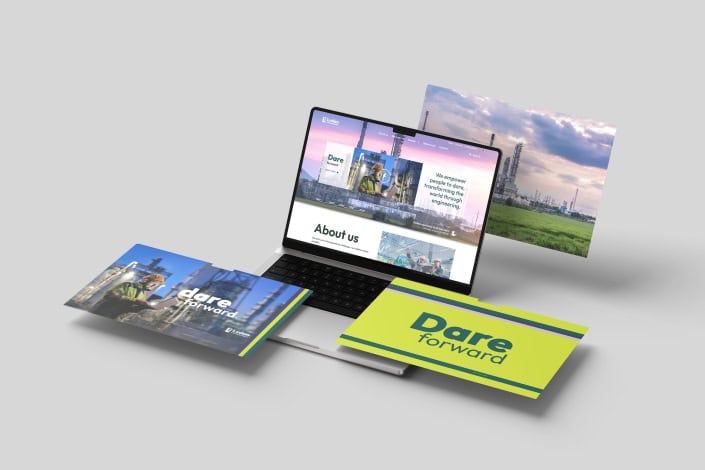
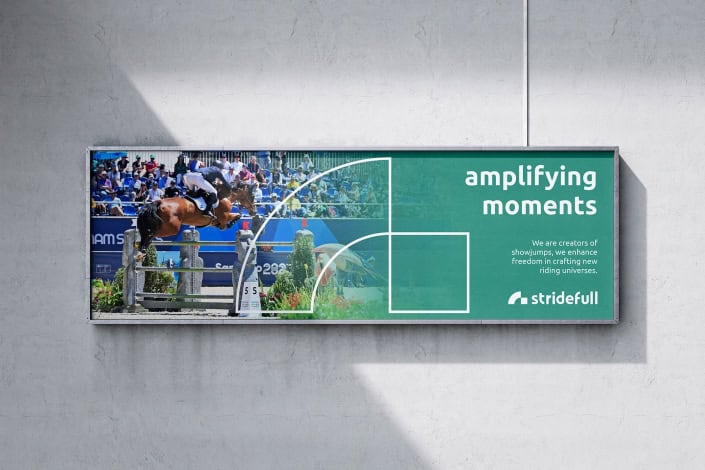
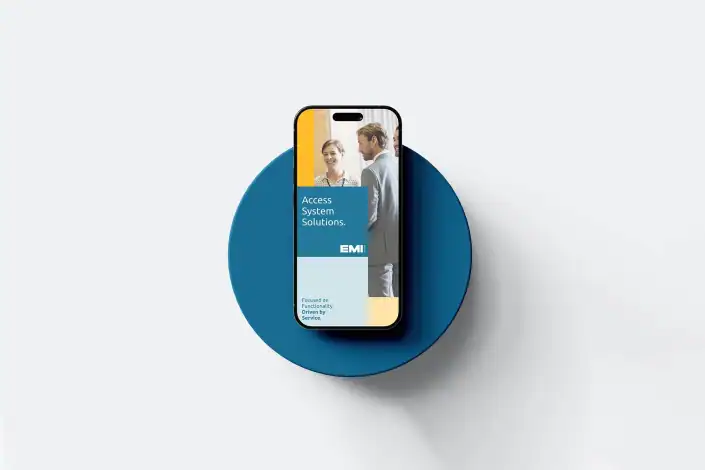
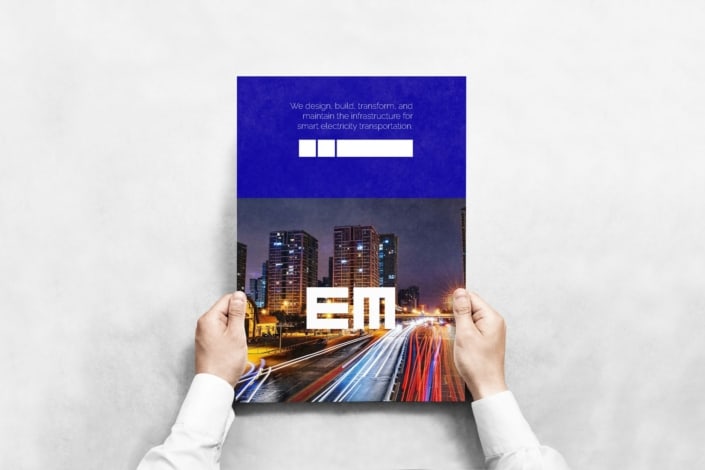
Logos created by Toud—here are some of them

Client feedback on working with Toud, both on logo design projects and other projects
The most important element of a brand’s visual identity
It is the most visible element of your organization. Its primary role is to serve as a point of identification. Without it, an organization cannot exist. Moreover, it has an impact on the brand; depending on how it is structured, it can either help or hinder the brand.
Imagine two white T-shirts—one has a logo, the other doesn’t. You’ll associate the first one directly with the brand; a series of images, meanings, and a story will come to mind. If you connect with the story, you’ll buy it. What’s more, simply placing a logo on a T-shirt (even one identical to the one without it) can increase the price by as much as 50 times.

Relevant
Simple
Unchanging over time
Harmonious
Memorable
It is a graphic symbol designed to help make the organization or product recognizable. It It can consist of several elements: a graphic symbol, text, and colors.
There are many ways to categorize logos, many different types. To keep things simple, we’ll discuss three types:
Wordmark – consists of text (Toud, Google, Coca-Cola, Nokia, etc.)
Illustration – is a drawing (Apple, WWF, etc.)
Abstract – is an abstract symbol (Pepsi, BMW, Mercedes, etc.)
We’re also bringing up the idea of a logo system —a graphic system designed to evolve while maintaining a sense of unity—(MIT Media Lab, MTV, etc.).
When seen for the first time, a logo is an element devoid of content. Communication techniques aim to bring it to life, filling it with content, meaning, and significance. For this process to be smooth, the logo must adhere to certain principles.
If you look around right now, you’ll spot at least 30 brands—and, by extension, logos—right next to you. They’re all “competing” for your attention. The strong, recognizable ones—properly applied to the objects and media you interact with—will win the “battle.”
The logo is a critical element. It is that highly visible element that the public sees before they see the product or the organization. By its very nature, it tells a story about the brand from the very first interaction.
Do not confuse the logo with the brand. The former is the graphic element that helps the public identify the brand. The brand is a set of elements (see brand strategy) that help the product or organization stand out, be recognizable, and tell a story. A logo cannot create brand recall, but a brand can.
Toud’s promise is that we’ll help you tell your story. We approach the logo from the same perspective. It must tell your brand’s story.
It is very important to us that the logo be relevant to your audience and effective in helping you achieve your goals.
We only get involved in the visual identity process if it includes a brand strategy or brand audit. Otherwise, we consider the process to be pointless. In the best-case scenario, a logo can be created that is valid from a design perspective but invalid in terms of its relevance and ability to contribute to strengthening the strategy.
The creative process is always grounded in brand strategy; it involves a significant amount of analysis and understanding and, above all, a great deal of empathy. We always strive to get to know the organization, to understand the elements upon which the brand is built, and, above all, to live it and experience it.
A good logo is effective and capable of actively contributing to the achievement of objectives. Toud identifies a number of characteristics that it must meet in order to be effective:
It is relevant if it conveys what is stated in the brand strategy and if it can anticipate aspects related to the organization and the product. In this way, it becomes a a strategic element, not an artistic one. The primary goal is to be relevant, not beautiful. Obviously, it must be harmonious and balanced, but above all, it must be relevant.
It is easy to read, understand, and remember. It is simple when it requires little effort on the part of the audience to engage with it. If it is simple, it is more likely to be memorable.
It must be independent of the design trends of the day; it must stand the test of time and remain relevant even decades from now. There are many successful logos around us that are decades or even centuries old.
An effective logo must be created by an expert. It must have certain proportions, a certain compositional balance, and—most importantly—it must work equally well at very small and very large sizes.
The price varies depending on the complexity of the project. To provide an accurate cost estimate, please tell us more about your project using the contact form. We promise to respond promptly.
Today, in such a fast-paced world, this process is critical for any organization, no matter what it does or where it is located. That is why we advise all organizations that come to us with requests in this area of design to give it the utmost importance and allocate sufficient time to it. If they are in the process of selecting an agency, we suggest they look for a partner who demonstrates empathy and the ability to understand who they are and why they exist.
Portfolio




Strategy. Design. Impact.
Toud has been around since 2007. We help companies define their direction and grow through brand strategy, design, and inbound marketing. Today, we combine AI with creativity and human expertise to accelerate growth in a sustainable way. We’re not just a branding agency—we’re a strategic growth partner.
Why don’t you accept logo designs without a brand strategy behind them?
Because a logo created without a strategy is just a pretty picture—not a symbol that truly reflects the organization. We start with a deep understanding of the company, its products or services, and the market, then transform all this information into a creative brief. Without this step, you risk ending up with an interchangeable logo that could just as easily belong to any other competitor.
How many logo concepts do you propose initially, and how many rounds of revisions are included?
During the creative phase, we do a lot of hand-drawn sketches and create dozens, even hundreds, of variations, which we then refine digitally. In the end, we don’t overwhelm you with dozens of options; we select and present only the directions that are truly worth discussing—usually each with a distinct strategic focus. As for revisions, we don’t set a fixed limit; we keep working until we achieve the best possible result.
How long does it take to design a logo?
It depends on the complexity of the project, but the process consists of six stages: understanding the context, the creative brief, the actual creation, testing in various formats and contexts—such as billboards, pens, or social media—compiling the visual identity guide, and, finally, launching the new identity. We allocate the necessary time to each stage to ensure a solid result; we don’t rush through a step just to meet a deadline.
What’s the difference between a good logo and a logo that just looks good?
A good logo is relevant, simple, harmonious, memorable, and stands the test of time, regardless of current design trends. A logo that merely looks good may make a strong first impression, but it says nothing meaningful about the organization and quickly goes out of style. It’s important to remember that a logo alone cannot build brand recognition—only a brand can. The logo is a critical element, but it’s part of a larger whole.
Do we receive the logo in all the necessary formats (print, web, social media)?
Yes, at the end of the process, you’ll receive the logo, formatted for all contexts in which it will appear, along with a visual identity guide that explains exactly how to use it, what variations are available, and what rules must be followed—both internally and by the external vendors you work with.
Is it possible to change just the logo without redesigning the rest of the visual identity?
Technically, it’s possible, but we don’t recommend it, because a new logo that doesn’t harmonize with the rest of the visual elements creates inconsistency, not clarity. Most of the time, a new logo is introduced either because the underlying strategy has changed or as part of a broader rebranding effort, in which case the rest of the visual identity naturally follows suit.
Roughly speaking, how much does it cost to design a logo?
The price is determined based on the complexity of the project, which is why we ask for details via a contact form before providing a quote. What matters most is the difference a well-designed logo can make—just like the example of the white T-shirt, the presence of a relevant symbol can increase a product’s perceived value tenfold.
Can we use AI to create the logo so it’s faster and cheaper?
It’s true—and I’ve actually written about this—that the difference between an agency and an AI logo-generation tool largely comes down to cost, speed, and customization. An AI tool is usually cheaper and faster, but it may not offer the same level of customization. Basically, an AI generator creates a logo based on a few keywords, not on a real understanding of the organization, the market, and the strategy behind it. It can be a quick solution to get you started, but if you want a logo that truly tells your company’s story—not just one that looks good—the process still needs to start with strategy, not a prompt.
Strategy. Design. Impact.
We help you tell your story!


