logo design, h4l the neighborhood that brings life to life design branding webdesign ux ui

Logo Design—What Are the Steps in This Process, and What Sets Us Apart?

There is a fairly simple process for creating a logo, one that is widely used by many agencies. What makes the difference is how this process is put into practice.

Below is what we consider to be the classic structure of the logo design process:

The logo design process can vary depending on the designer or design agency, but in general, it can be broken down into the following steps:

1. Research and Discovery

The first step involves researching and gathering information about the client’s organization, industry, target audience, and competitors. This research will help the designer understand the client’s brand and create a logo that reflects it.

2. Concept Sketching and Development

Once the research is complete, the designer will begin brainstorming and sketching ideas for the logo. This stage is about exploring different options and identifying the most promising concepts.

3. Digital Design

After selecting the most promising sketches, the designer will begin creating digital versions of the logo using graphic design software. This stage involves refining the design and experimenting with different colors, typography, and styles.

4. Presentation and Feedback

The designer will present the initial logo concepts to the client for feedback. The client may request changes, and the designer will revise the logo based on that feedback until the client is satisfied.

5. Completion and Delivery

Once the logo has been approved by the client, the designer will finalize the design and prepare the files for delivery. The designer can create different file formats and color variations to ensure that the logo can be used in a variety of applications.

It is important to note that the logo design process can be iterative and may involve revisiting certain stages until the final logo is approved.

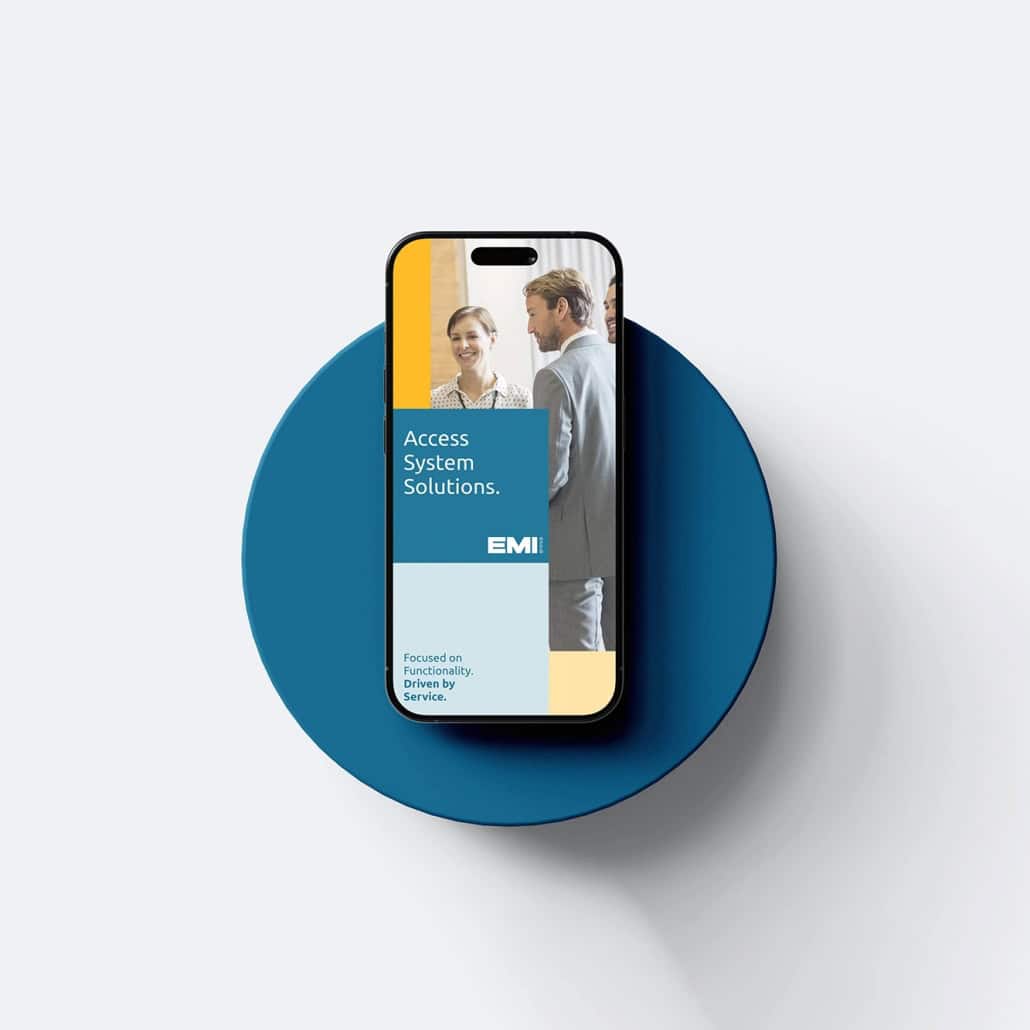
Electromontaj - branding, visual identity, website redesign

What We Do at Toud Beyond This 5-Step Logo Design Process

  1. We place great importance on crafting the creative brief. Why do we need this document? Essentially, based on the brand identity, it allows us to clearly explain the creative universe of the brand’s visual identity —to clarify the symbolism behind a logo, what it represents, what we want it to inspire, and sometimes even more specific aspects, such as color palettes. In this process, we carefully examine the organization’s vision, its promise, and its brand personality. We believe that a logo must be relevant and truly represent the organization. If a logo looks just as good on a competitor’s building (while still managing to represent the brand identity), then something is wrong.
  2. A logo must align seamlessly with an organization’s vision, as well as with the feelings, motivations, and ambitions of the people within it. That is why we always strive to align the logo we create with the people in the organization, building a visual identity that truly reflects who they are.
  3. We seek inspiration from as many and as diverse fields as possible: culture, art, geography, geometry—any element, no matter how small or large, that connects to the symbols and metaphors we develop for the brand (some of which are already specified in the brief). For example, when we designed the logo for Earlychildhood Romania, a Romanian project focused on early childhood education, we created the outline of a child’s footprint. Read the full story here—education branding.
  4. When we make our first sketches, we always start with pencil and paper. We like to think that a person who thinks and dreams in silence, without the distraction of a screen, is at the peak of their creativity.
  5. We are deeply committed to the idea of delivering a solution to the client. What does that mean? During the exploration phase—when we’re creating sketches—we end up with hundreds of options. Then, we digitize dozens of them. From those dozens, we start building simulations with a small number—fewer than 10. We usually end up with a top 5. From that top 5, we choose two options to present to the client. These are always different approaches.
  6. At Toud, there are no limits on the number of feedback rounds—our promise is that we’ll work as long as it takes to achieve the best result.
  7. We are deeply committed to every project, and we set aside enough time for each stage to achieve results we’re satisfied with.

The best way to illustrate the ideas above is through the results of our work, which you can see here—Creating a logo that tells your story.

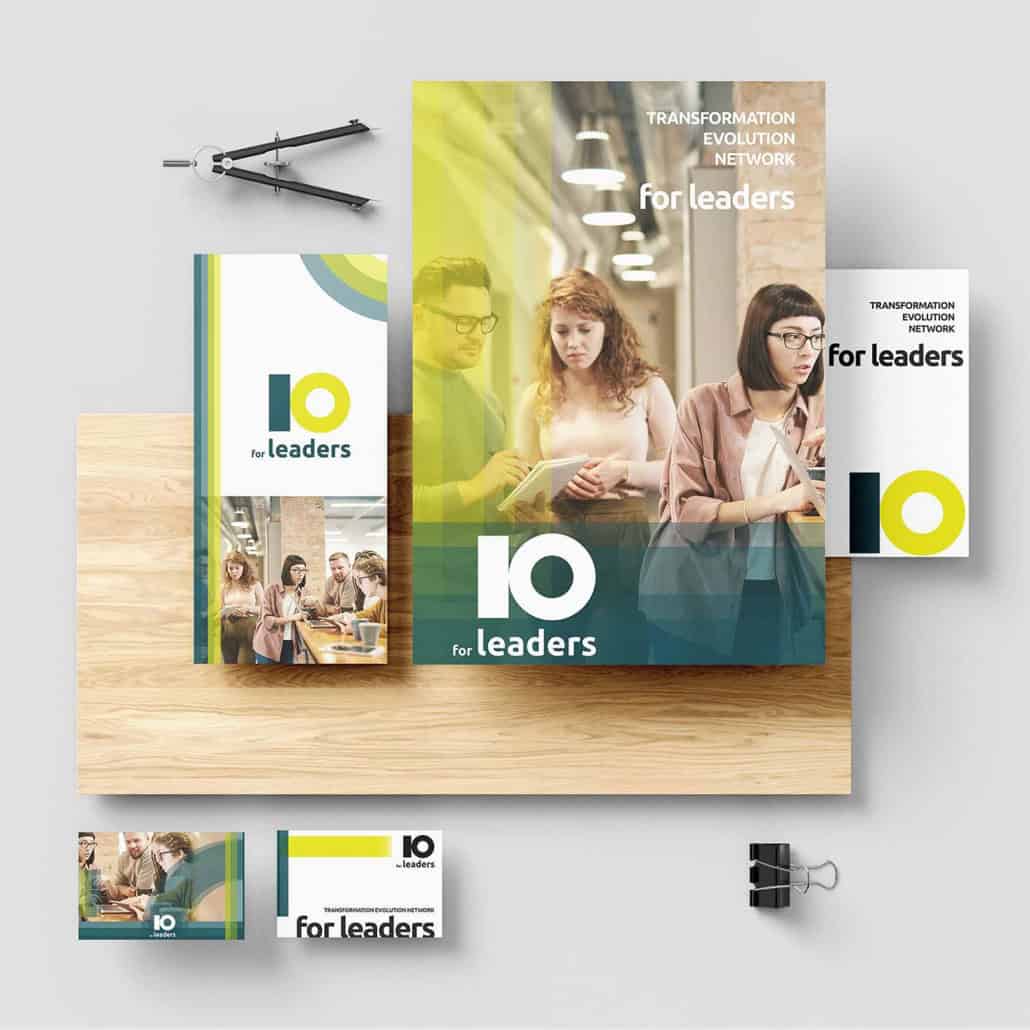
Style Guide 10 for leaders. organizational brand creation, brand learning, business brand, brand strategy, visual identity_Page_07

Resources:

  1. blog.hubspot.com
  2. 99designs.com
  3. creativebloq.com
  4. upwork.com
  5. This article was written with the help of ChatGPT
How We Can Help You – Toud Services

Strategy. Design. Impact.

Toud has been around since 2007. We help companies define their direction and grow through brand strategy, design, and inbound marketing. Today, we combine AI with creativity and human expertise to accelerate growth in a sustainable way. We’re not just a branding agency—we’re a strategic growth partner.

Frequently Asked Questions

Strategy. Design. Impact.

The classic process includes five stages: research and discovery regarding the organization, industry, audience, and competitors; concept sketching and development; digital design, including refinement of colors, typography, and layout; presentation and client feedback; and finally, finalization and delivery of files in various formats. The process can be iterative, meaning it’s normal to revisit earlier stages until the final logo is approved.

The creative brief is the document that, based on the brand identity, explains the creative universe of the visual identity, clarifying the symbolism behind a logo—what it represents and what it aims to inspire—and sometimes even specific aspects such as the color palette. In developing it, Toud carefully analyzes the organization’s vision, brand promise, and brand personality to ensure that the final logo is truly relevant, not just aesthetically pleasing.

This means that a logo must truly represent the organization behind it, not just look good in a generic way. The article offers a simple test: if a logo would look just as good on a competitor’s building while still managing to represent its brand identity, then something is wrong with the creative process.

Inspiration is sought from a wide variety of sources—culture, art, geography, geometry, and any element that connects to the symbols and metaphors already established in the brand brief. A concrete example from the article is the logo created for Earlychildhood Romania, an early childhood education project, for which the team used a child’s footprint as a symbol.

Because, according to the team, a person who thinks and dreams in silence, without the distraction of a screen, is capable of the greatest creativity. The sketching phase on paper precedes the digital design phase, during which the selected concepts are refined using graphics software and tested with different colors and typefaces.

The process begins with hundreds of sketches created during the exploratory phase, from which dozens of variations are digitized. From these, simulations are created for a small number—fewer than ten—which are narrowed down to a top five, and from that group, two final versions are selected—always different approaches—which are then presented to the client.

No, at Toud there are no limits on the number of feedback rounds; the team’s commitment is to work as long as it takes to achieve the best possible result. This approach stems from a high level of commitment to each project, with sufficient time allocated to each stage to achieve a result with which the team is truly satisfied.

The designer finalizes the design and prepares the files for delivery, creating various formats and color variations so that the logo can be used correctly in a wide variety of applications, from print materials to digital media. This is the finalization and delivery stage, the last step in the traditional process described in the article.

The logo is part of the Branding category of Toud’s services, alongside brand audit, brand strategy, rebranding, and visual identity, which means that a logo is not created in isolation, but rather based on the brand identity that has already been defined. In practice, the creative brief for a logo is developed based on the information gathered during the brand strategy phases, so that the final result is consistent with the organization’s overall identity.

Do you have a marketing, branding, or design challenge? Let’s talk!

Strategy. Design. Impact.

Toud WEB Logo

Toud – Branding and Design Agency

We help you tell your story!

Frequently Asked Questions

Strategy. Design. Impact.

A brand book is a comprehensive document that includes a brand’s purpose, mission, vision, and values, along with guidelines for messaging, tone of voice, and brand personality. It differs from a visual identity manual, which focuses strictly on graphic elements (logo, colors, typography). The brand book offers a more comprehensive perspective, including the values and personality behind the brand, not just its visual appearance.

It keeps the team aligned with a shared vision and helps employees represent the organization consistently, regardless of their role or department. It instills a sense of pride and belonging, and the result is that everyone is moving in the same direction, with the same message, tone, and style—not each on their own.

Five main steps: a deep understanding of the brand’s personality, values, and mission (including a compelling story), exhaustive research on the audience, competition, and market trends; development of visual and verbal elements (typography, colors, imagery, messaging, tone); active engagement of stakeholders to ensure internal alignment; and regular updates to ensure the document remains relevant over time.

Brand personality and values, brand story, tone and voice guidelines, visual elements (logo, colors, typography, imagery), mission and vision statements, key brand messages, plus information about the company’s history and values. It’s a comprehensive reference document, not just a collection of design guidelines.

Because its role is not just to inform, but to inspire. A well-crafted brand book is evocative; it creates an emotional response and a genuine connection between the organization and its audience—both internal and external. A strictly practical document, lacking this creative element, fails to rally people around the brand.

Your brand story is what sets you apart from the competition and makes you memorable. It can be built around the founders, the causes you support, your vision, or the company’s origins. Included in the brand book, it provides context for all the other elements—from tone to visual identity—rather than letting them seem like arbitrary rules.

It creates a deep connection with the audience, sets the brand apart from the competition, and makes it memorable and engaging. Essentially, it transforms a set of internal guidelines into a consistent brand experience that people outside the organization can recognize and connect with emotionally.

On a regular basis, not just once at launch. The article includes periodic updates as one of the five essential steps, precisely because a company, its market, and its audience evolve, and a brand book left untouched risks becoming irrelevant or at odds with the reality of the business.

Do you have a marketing, branding, or design challenge? Let’s talk!

Strategy. Design. Impact.

Toud WEB Logo

Toud – Branding and Design Agency

We help you tell your story!