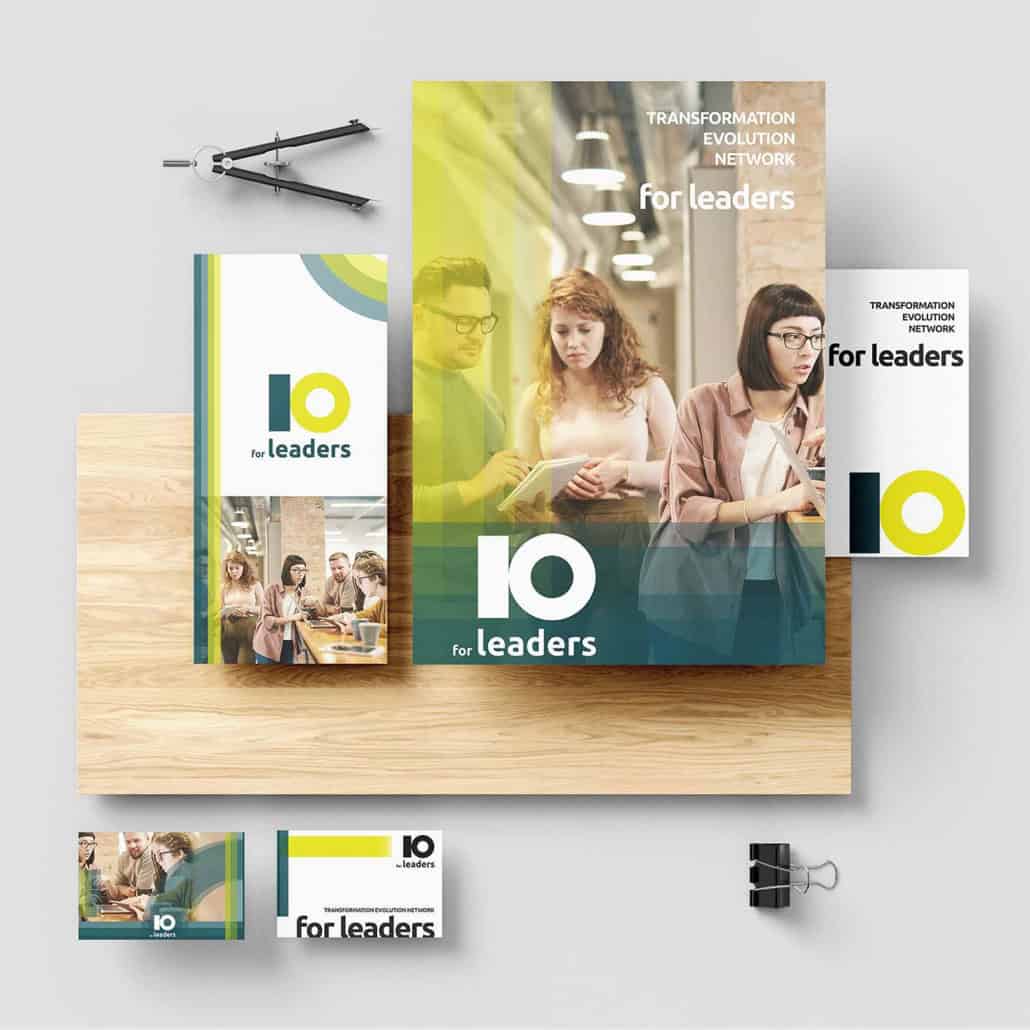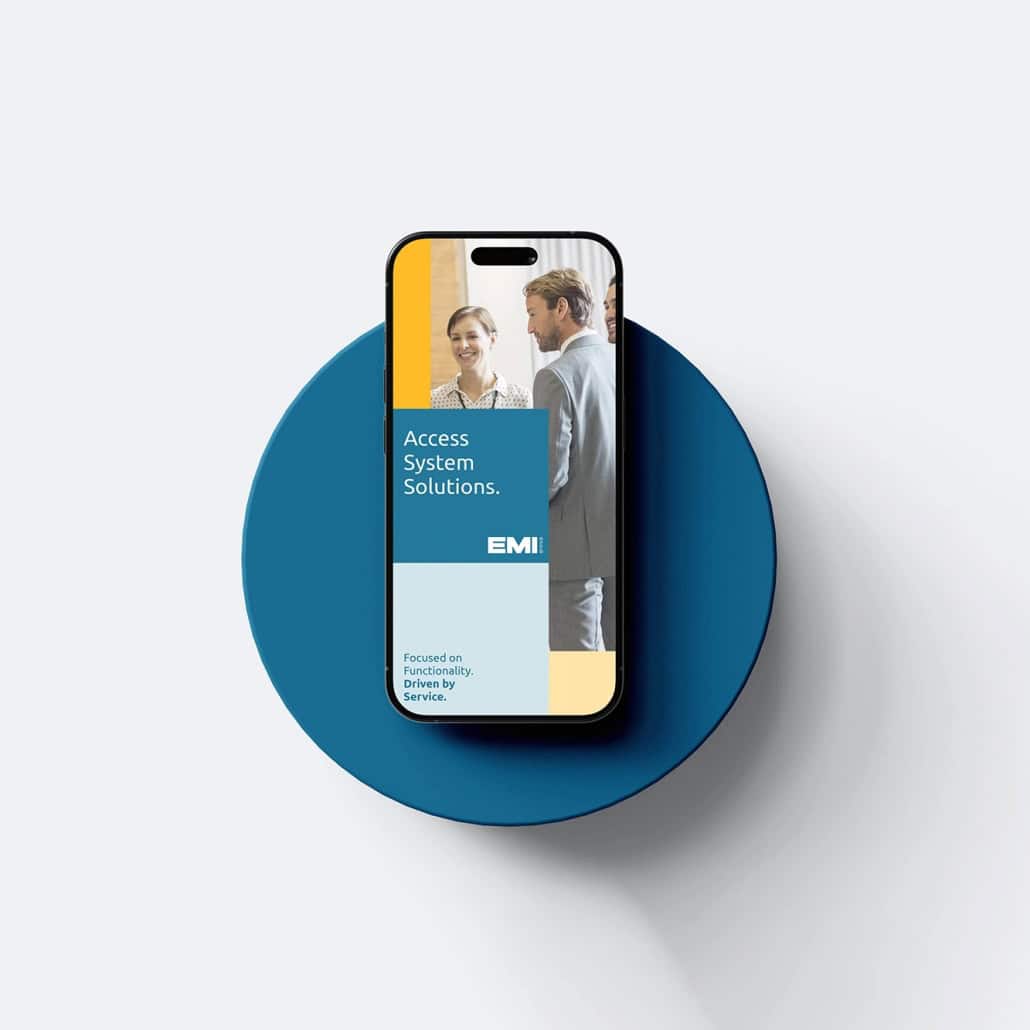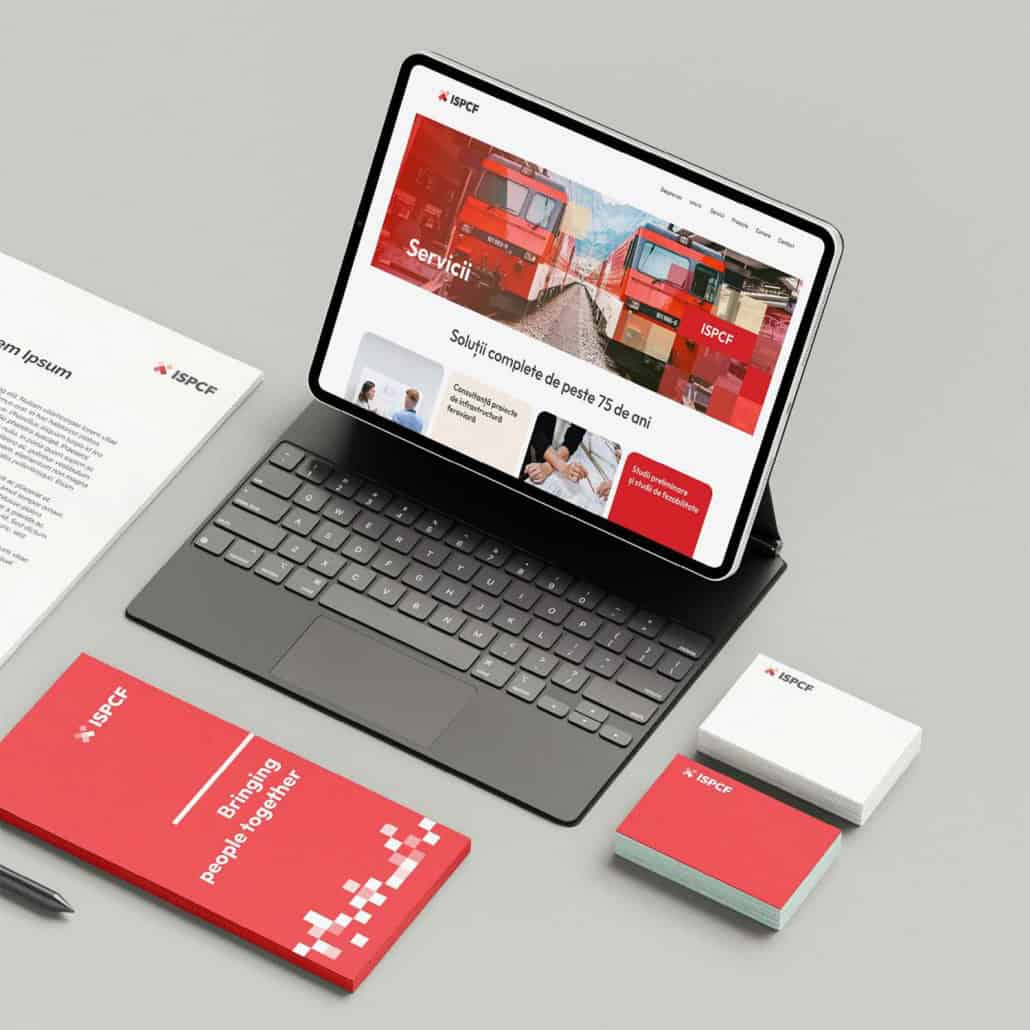
The Open Door Event, The Record Book, Architecture Event, Book Design, Book Design

Print vs. Digital—In 2018, over 60% of people still preferred print

Print vs. digital—no, there is no conflict between these two methods of presenting content, but communication strategies must treat both with the utmost care. Here’s why.

According to Neurosciencemarketing.com, a study was conducted in the United States in 2015 to test the brain’s different reactions to digital and print media. The study’s results show that print still has a very strong influence on consumer perception. This does not mean that people prefer print over digital media, but rather that they tend to consult printed materials first and only then turn to digital media.
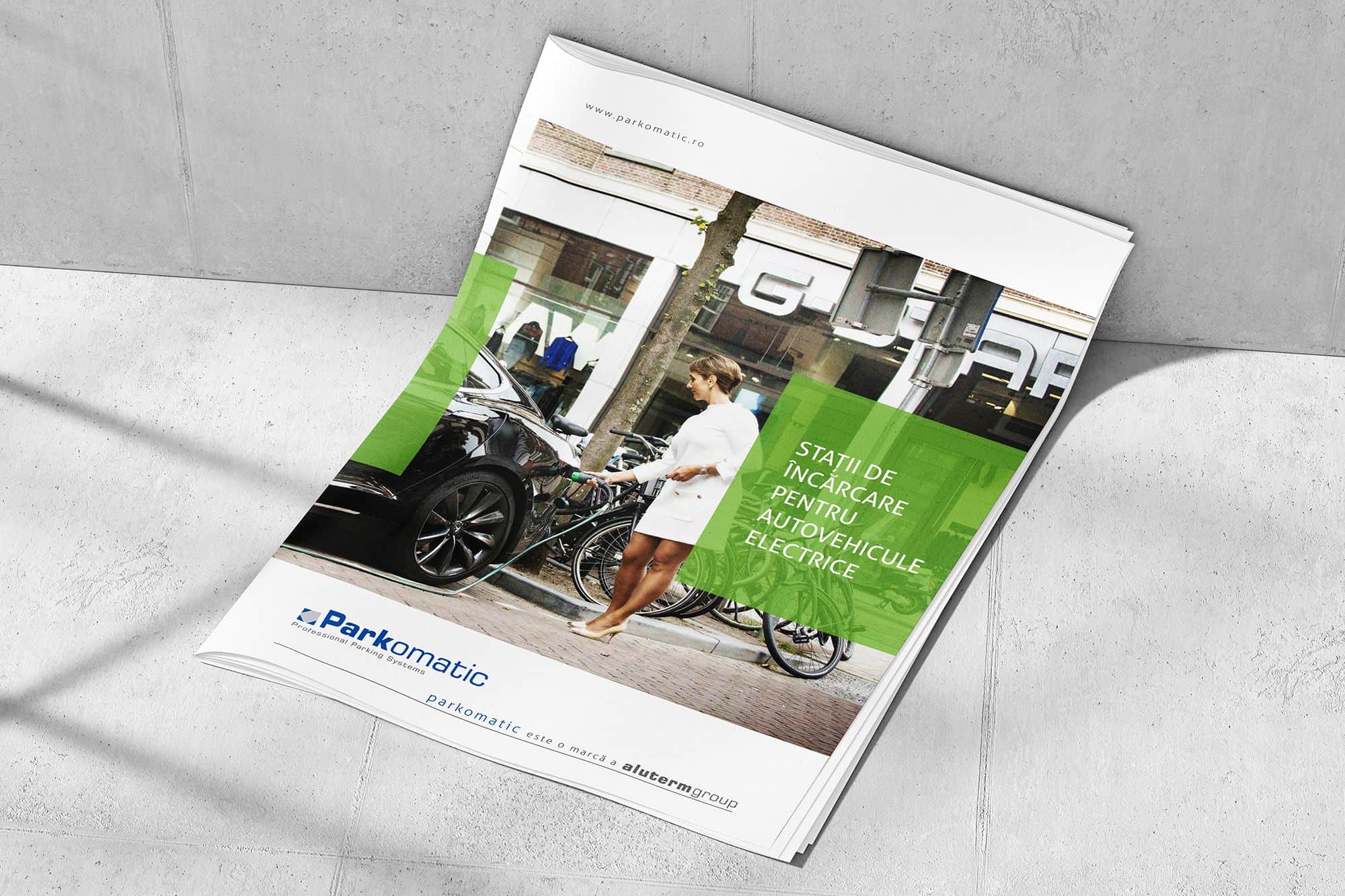
Publishing design EV Station, for Parkomatic, Romanian supplier, publishing design, brochure and catalog design

The print is multisensory

The digital environment offers numerous benefits, but printed material evokes different sensations depending on its characteristics. Print has the advantage of being a tactile stimulus for the user, unlike the digital environment, which focuses on the visual component. The density and texture of the paper, as well as the sensations the reader experiences when holding a printed piece in their hands, stimulate the senses in a different way than digital media.

Media Update quotes Mark Beare, director of The Publishing Partnership, who says that when you read a printed article or a book, it’s much easier to remember exactly where you left off, how much you’ve read, and, most importantly, exactly where on the page the information you saw is located.

Is print more effective at driving engagement?

Access to compelling content has a greater impact. Readers will retain the information more quickly and for a longer period of time, leading to greater engagement with the brand. Printed material, however, has the disadvantage that engagement cannot occur in real time, as it does in the online environment. Printed material is a good tool for reach and awareness, allowing potential customers to interact with the brand through it. However, when it comes to reach, digital content is superior. Through digital content promotion strategies, you can reach a much larger audience with minimal effort and in a short amount of time.
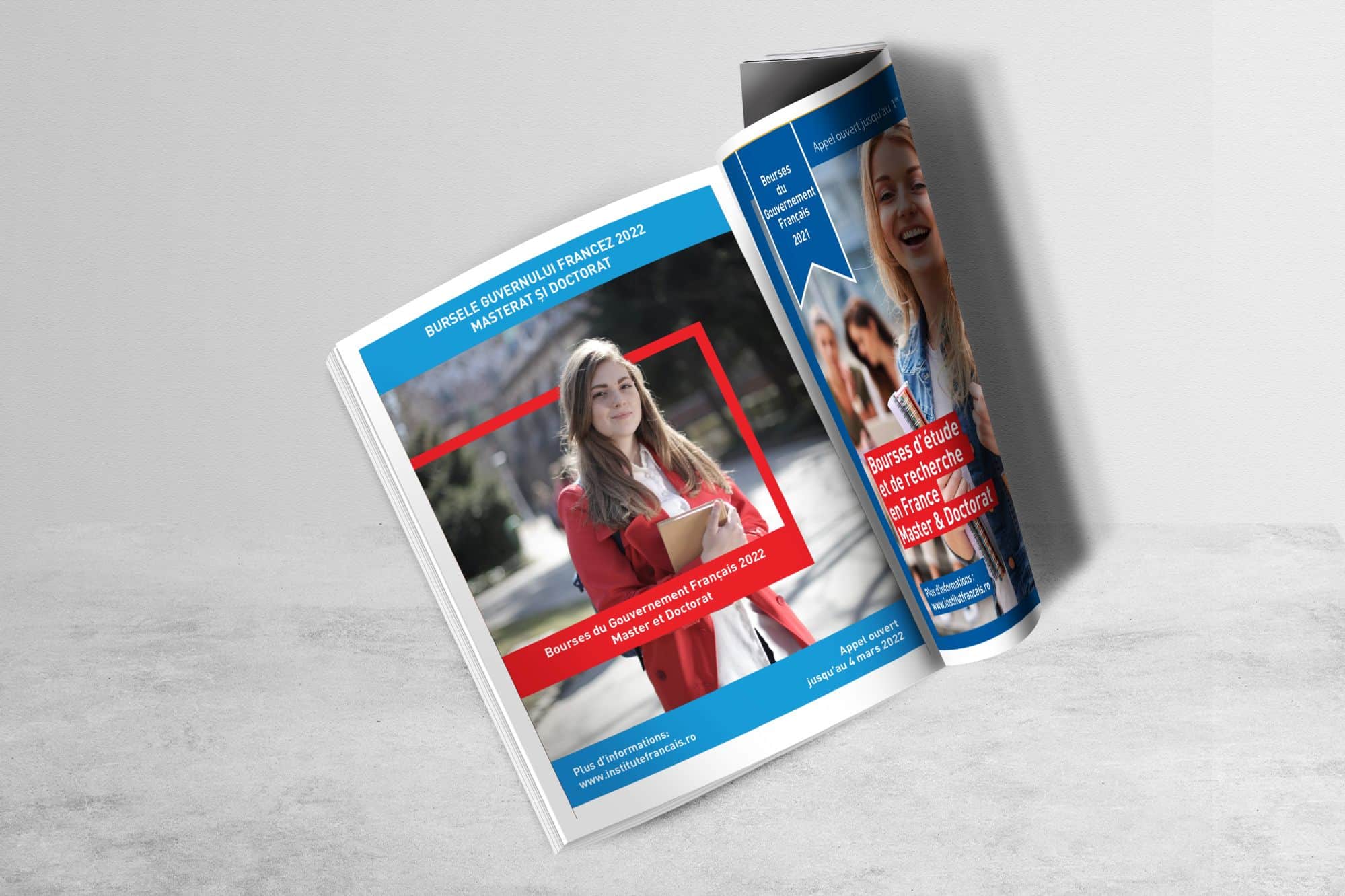
BGF – FRENCH GOVERNMENT SCHOLARSHIPS poster design

Digital—targeting is easier

If we’re talking about a company that creates promotional materials for its products, services, or simply to showcase the organization, we can say that targeting will be done correctly, but it will require a great deal of effort and a significant amount of time. Employees will distribute the materials to partners at other companies. In the case of digital materials, using social media channels or a website allows for very precise targeting in a very short time and with relatively little effort.

Print/Digital Costs

The major advantage of the digital environment is the low costs it entails. Print involves high production and distribution costs. In the digital environment, there are no costs associated with printing or transporting materials to the consumer. Furthermore, any corrections to printed materials require additional effort (creating errata, which are published in print or posted where the material is distributed).

CAME Catalog, product presentation catalog, publishing design, catalog design

Publishing Design: Print/Digital

If we look at design, we can say that things are similar. In fact, we can say that they were similar until a few years ago. Today, it’s possible to create “animated brochures” that, through their dynamic elements, manage to create a much greater level of interaction with the reader. These digital brochures allow an infographic to fill in as you explore it, or a map to highlight certain points with a flashing light effect.

Digital and print materials are not mutually exclusive. The ideal scenario is one in which the organization succeeds in using them as part of a blended strategy, maximizing the benefits of each and working to eliminate their drawbacks.
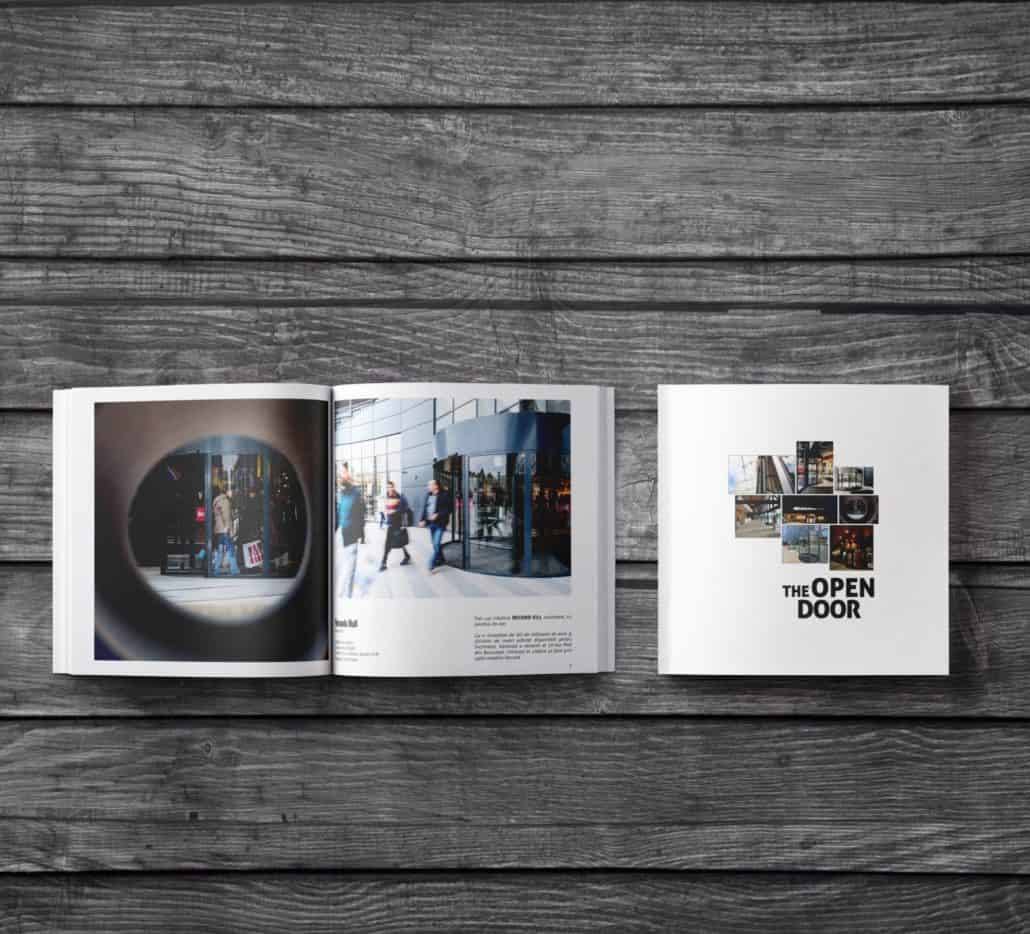
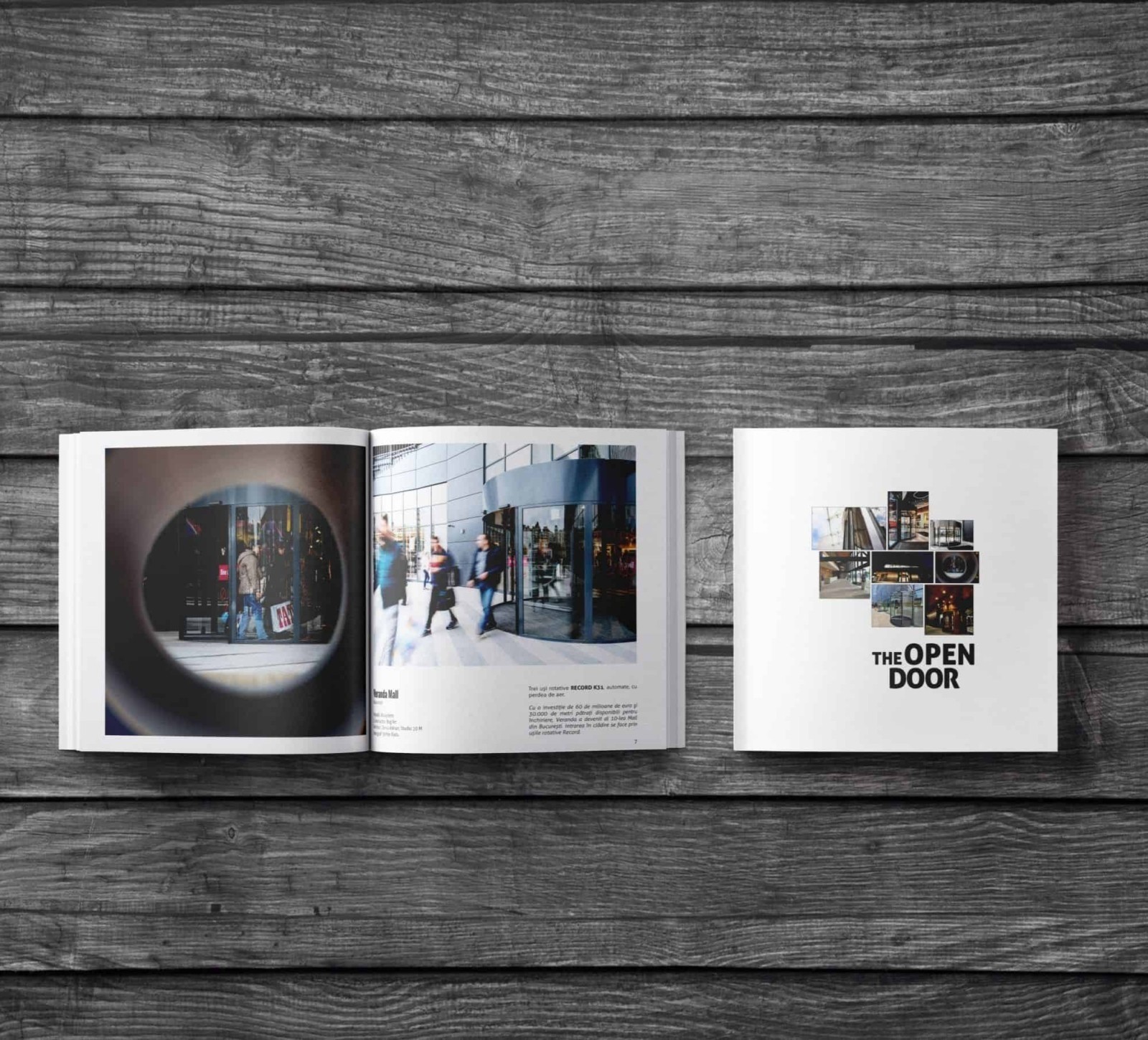
The Open Door Event, The Record Book, Architecture Event, Book Design, Book Design

Book: The Open Door

Sources:

Neuromarketing – neurosciencemarketing.com

Business 2 Community – business2community.com

Media Update – mediaupdate.co.za

Forbes – forbes.com

0 replies

Leave a Reply

Want to join the discussion?
Feel free to contribute!

Leave a Reply

How We Can Help You – Toud Services

Strategy. Design. Impact.

Toud has been in business since 2007. We help companies define their direction and grow through brand strategy, design, and inbound marketing. Today, we combine AI with human creativity and expertise to accelerate growth in a sustainable way. We’re not just a branding agency—we’re a strategic growth partner.

Frequently Asked Questions

Strategy. Design. Impact.

The article cites a 2015 study conducted in the United States, which shows that more than 60% of people still prefer print in 2018, but notes that this is not an exclusive preference. Rather, people tend to consult printed material first and only then turn to digital media.

Unlike the digital environment, which focuses on the visual aspect, printed material also provides a tactile stimulus through the density and texture of the paper. These physical sensations contribute to a different experience and, according to the article, have a stronger impact on consumer perception.

The article quotes Mark Beare, director of The Publishing Partnership, who says that when you read a printed article or a book, it’s much easier to remember where you left off, how much you’ve read, and exactly where on the page that information was located. This contributes to better long-term engagement with the brand.

Digital media allows for much more precise and rapid targeting—whether through social media channels or a website—with relatively little effort compared to distributing printed materials through employees and partners. In addition, digital media has a wider reach, allowing it to reach a large audience in a very short time.

The major advantage of digital media is its low cost, since it does not involve printing or shipping, as is the case with printed materials. Any corrections to a piece of material that has already been printed require additional effort, and sometimes even the publication of errata.

These are digital materials that use dynamic elements to create greater interaction with the reader—for example, an infographic that gradually fills in as you explore it, or a map with visible markers that flash on and off. They represent an evolution of classic publishing design, adapted to the digital environment.

For companies that use printed materials for promotion, targeting can be done effectively, but it requires significant effort and takes more time, especially if distribution is handled by employees and partners. Digital materials, through social media channels or websites, allow for much more precise and faster targeting.

Digital and print media are not mutually exclusive, and the article recommends a mixed strategy that combines the benefits of each medium and seeks to eliminate their respective drawbacks. Print remains effective for reach, awareness, and emotional engagement, while digital is effective for precise targeting and lower costs.

Toud offers graphic design, brochure and catalog design, and presentation design services, suitable for both printed materials and interactive digital formats. These services are directly related to the publishing design field mentioned in the article, for companies that want to tell their story in both mediums.

Do you have a marketing, branding, or design challenge? Let’s talk!

Strategy. Design. Impact.

Toud WEB Logo

Toud – Branding and Design Agency

We help you tell your story!