Visual
identity
Logo, colors, fonts, motifs, layouts – or how to bring a brand to life through graphic elements

Logo, colors, fonts, motifs, layouts – or how to bring a brand to life through graphic elements
Toud – we help you tell your story
The process of creating a visual identity can only begin after the brand strategy process has been completed or, in the case of older brands, after a brand audit has been carried out. Toud does not undertake this stage without first going through the steps mentioned above.
Moreover, Toud believes that any attempt to create a visual identity without having a brand strategy or a brand audit is pointless.
We say this because it’s not enough for a brand to be visually “beautiful”; it must also be relevant. Relevance comes from aligning with all the elements defined in the brand strategy.

For us, every project, even in the design sphere, is a step towards a sustainable impact, in business results and in the lives of the people involved.
Visual identity is the translation of the brand strategy into visual elements. Thus, a set of motifs, symbols, colors, typography elements, that is, visual elements, illustrate what the brand is, the brand strategy. The visual identity must not only be beautiful, balanced, simple, and easy to understand, but also relevant to the audience, meaning in harmony with the strategy.

The visual identity is the first element the public interacts with. The simpler, clearer, and stronger it is, the easier it becomes for people to understand the brand and grow fond of it.
The logo, fonts, and colors are the elements people remember about a brand, alongside its name. It’s important that they are relevant and actively contribute to achieving the organization’s objectives.
Logo – this is the symbol meant to help the public identify the brand. It can take the form of a motif (a graphic element), a sequence of letters representing the brand name, or a combination of both. A logo may use multiple colors or be monochrome. More about logos can be found on the dedicated page.
Fonts (typeface) – a suite of fonts that will be used across all materials and communication channels (website, printed materials, social media), designed to illustrate the brand story. They play a major role, helping differentiate the brand and facilitate communication.
Graphic motifs – in addition to the logo, a system of graphic motifs can be created to help differentiate the brand. These will be used across all communication materials.
Colors – the brand must have a set of colors that build its personality, ensure differentiation, and contribute to shaping the brand’s overall image.
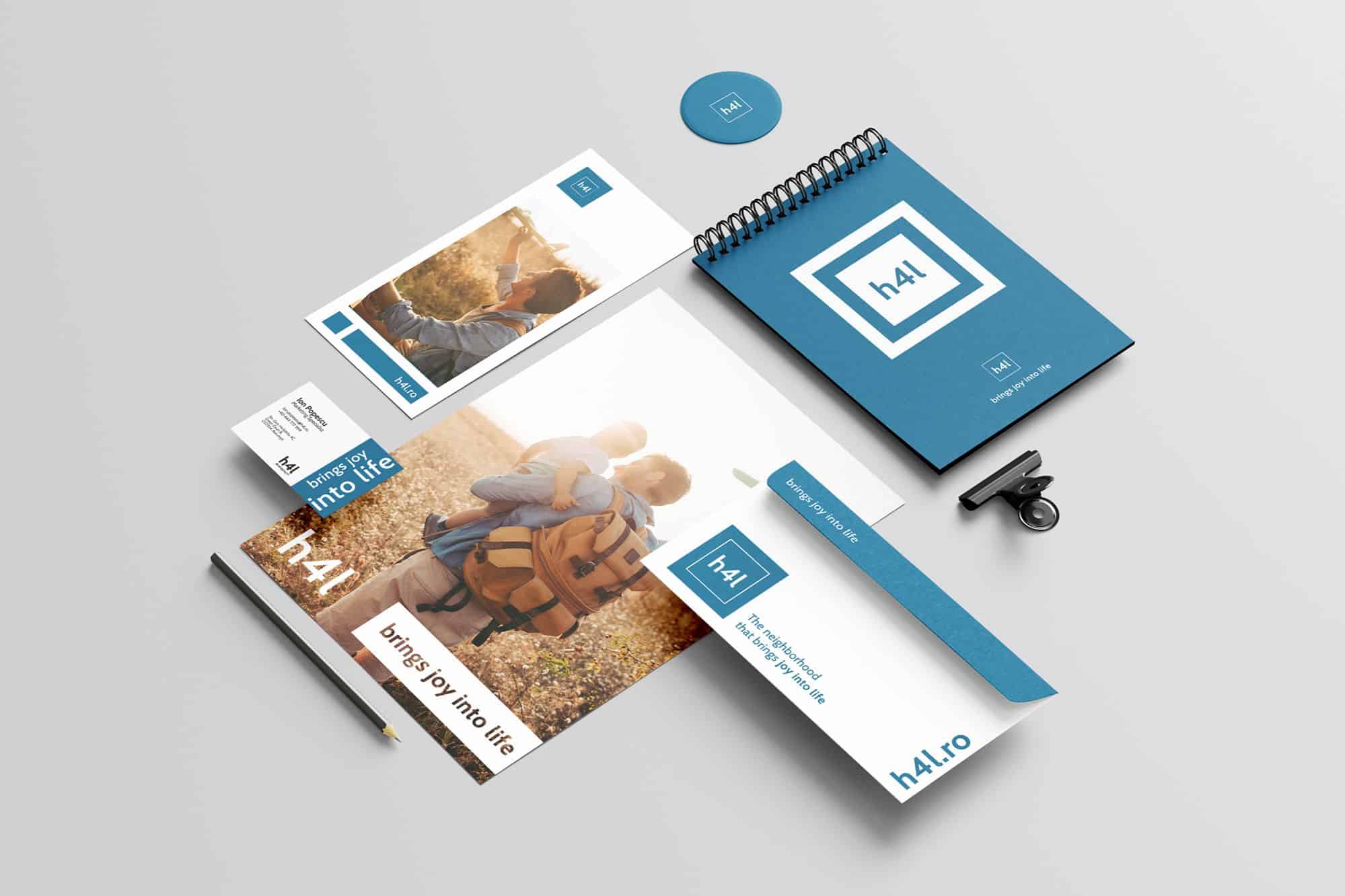
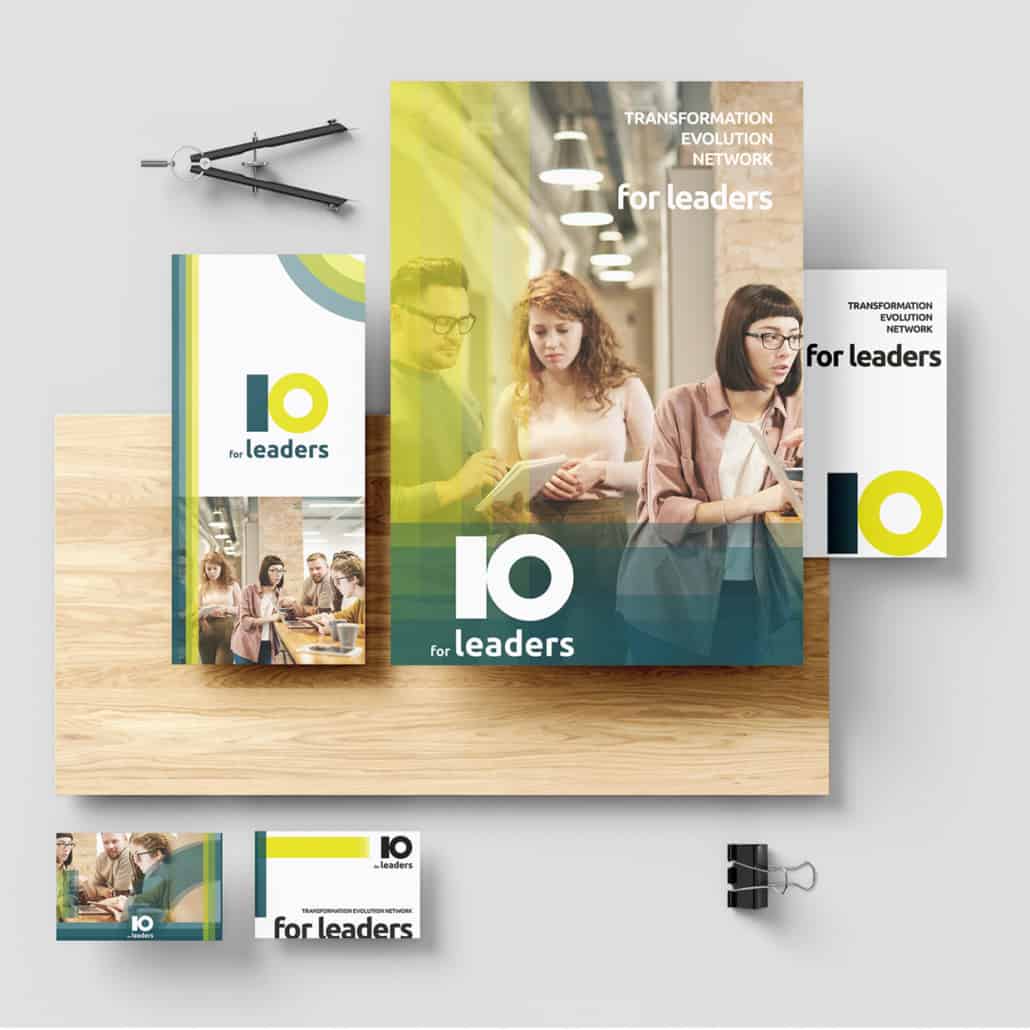
Layouts – in this process, a series of layouts must be developed to illustrate a unified visual image: layouts for business cards, Word documents, Excel documents, PowerPoint presentations, email signatures, etc. All communication must be consistent in order to strengthen the brand.
Photography – defining a graphic system for the use of photography (layouts designed to differentiate and highlight the messages communicated through images). Additionally, a set of rules must be established for how photographs should be taken or how stock photos should be selected (colors, atmosphere, included elements, etc.).
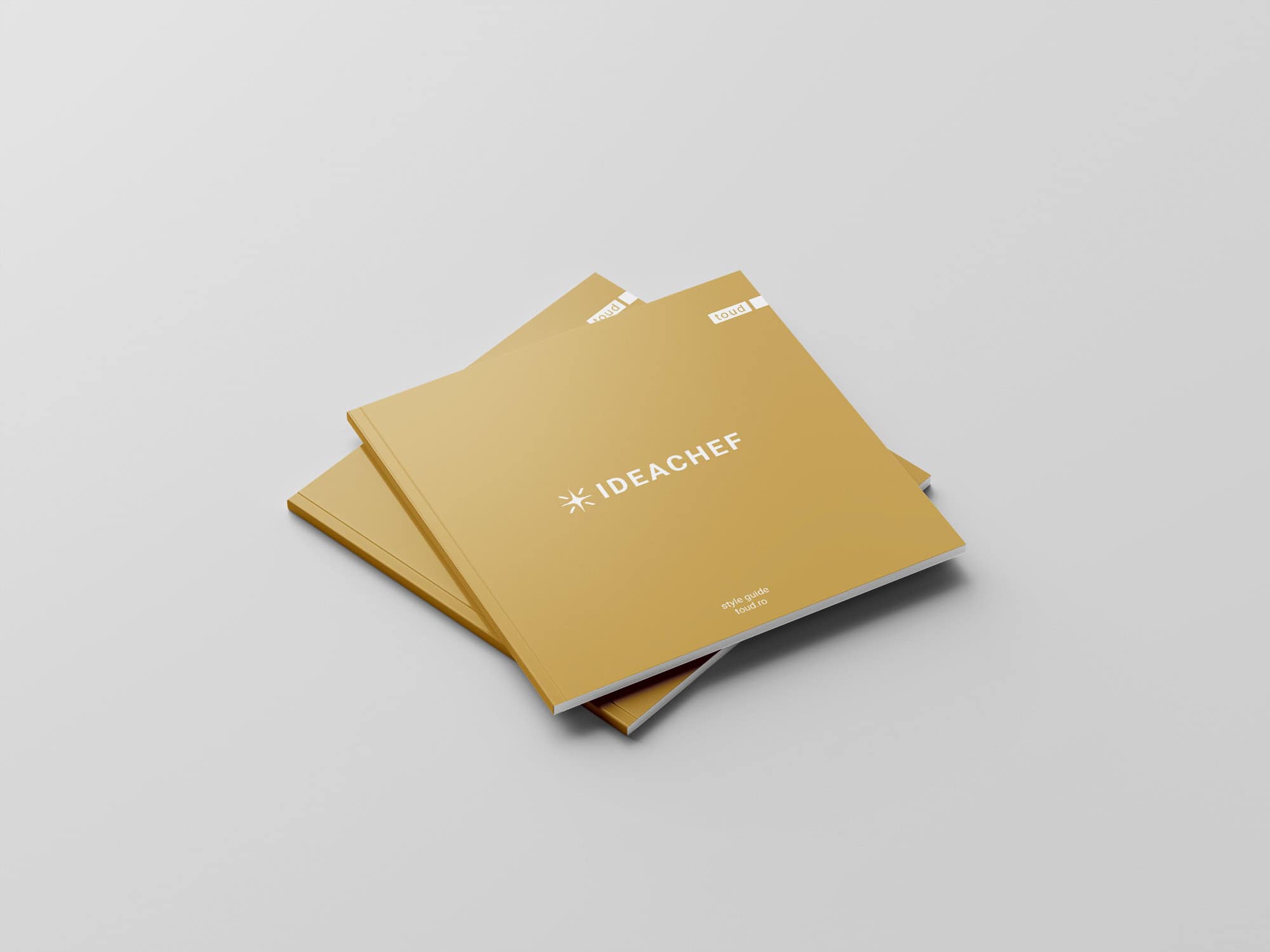
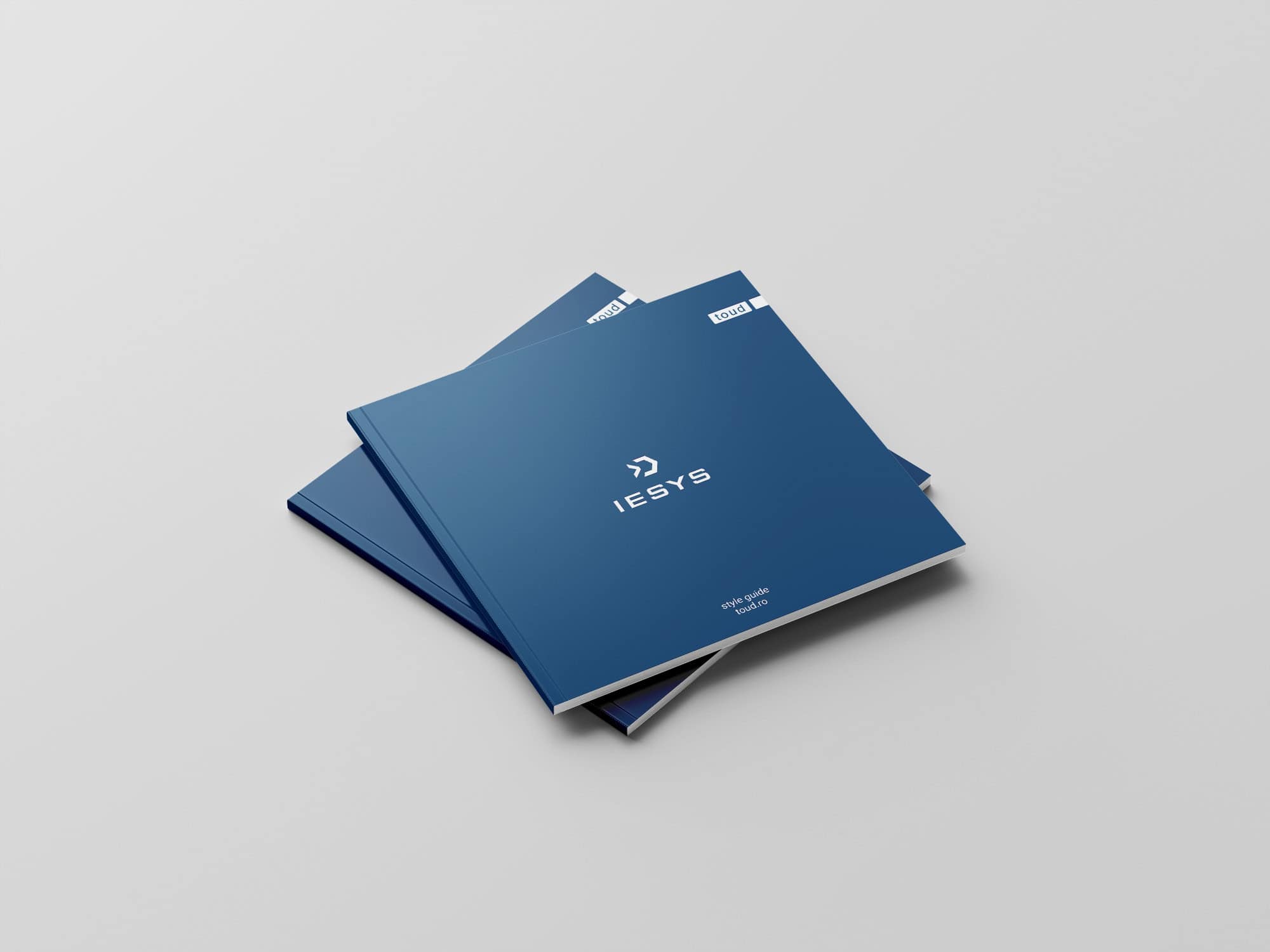
Style guide – document that clarifies all the above elements. It exemplifies for each how to use it and even how not to use it. This document will be used as an internal guide, as well as for future suppliers, whether we are referring to design or printed materials.


Toud – we help you tell your story
Today, visual identity plays an important role in the life of any organization. First and foremost, through the logo, it helps the organization, or its products and services, to be recognized. Secondly, it communicates some of the brand elements, thereby strengthening the brand. These are the reasons why organizations must allocate resources and time to properly build, implement, and maintain a brand’s visual identity. Without consistency in this area, the brand image will suffer.
The visual identity must be built in alignment with the brand elements and for the audience the organization serves. The logo, an important part of the visual identity, will be created following the same process. Fonts, colors, and geometric shapes should be chosen to reflect the character of the brand. Among all these elements of strategy and visual representation, there must be harmony and a natural connection.
The process becomes even more complex in the case of rebranding. This is because the logo and the entire suite behind it no longer represent “an empty vessel” into which the full meaning of the brand can be poured. Instead, it is a filled vessel that must be transformed to make room for new meanings as well.


Portfolio


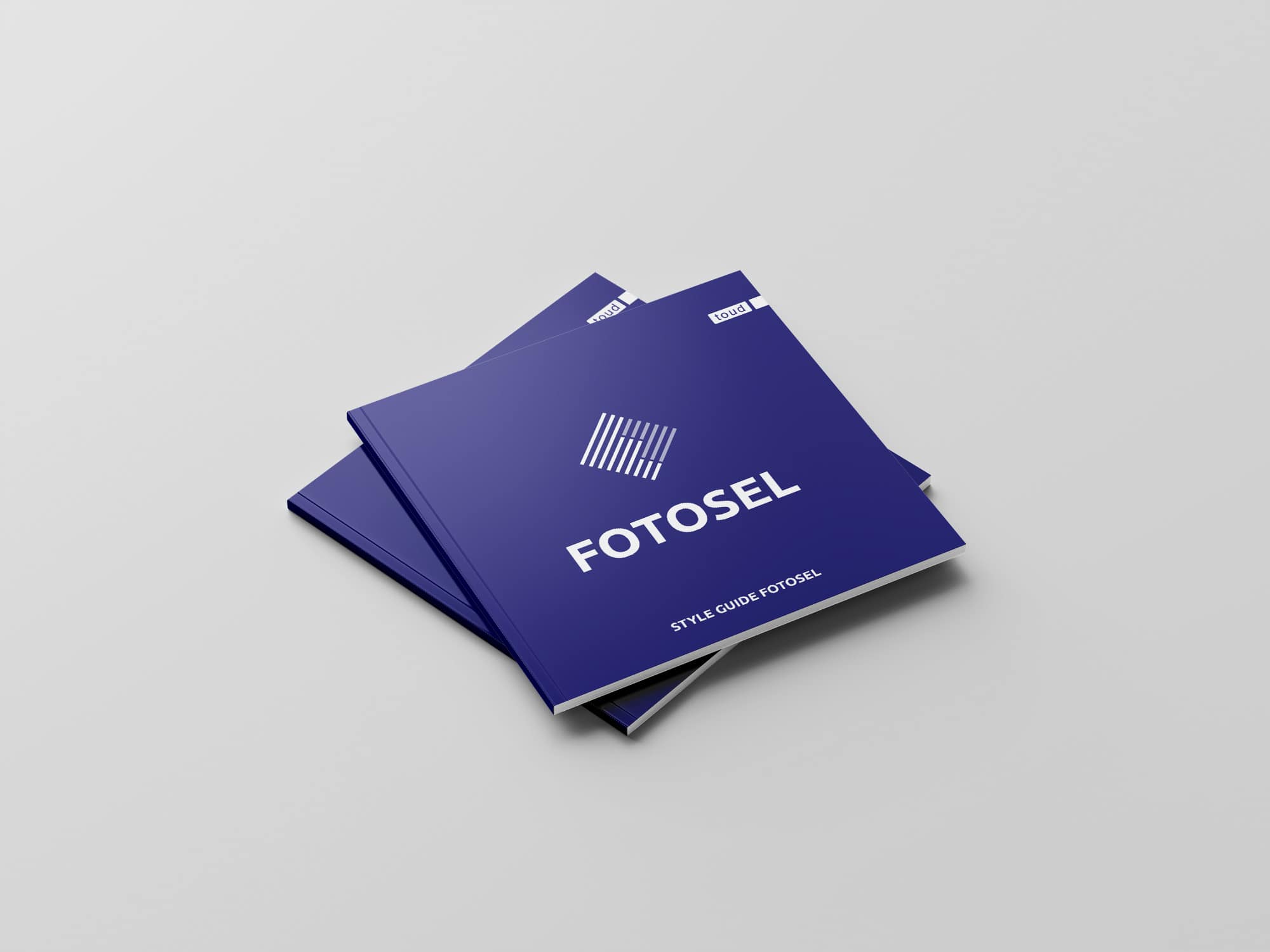


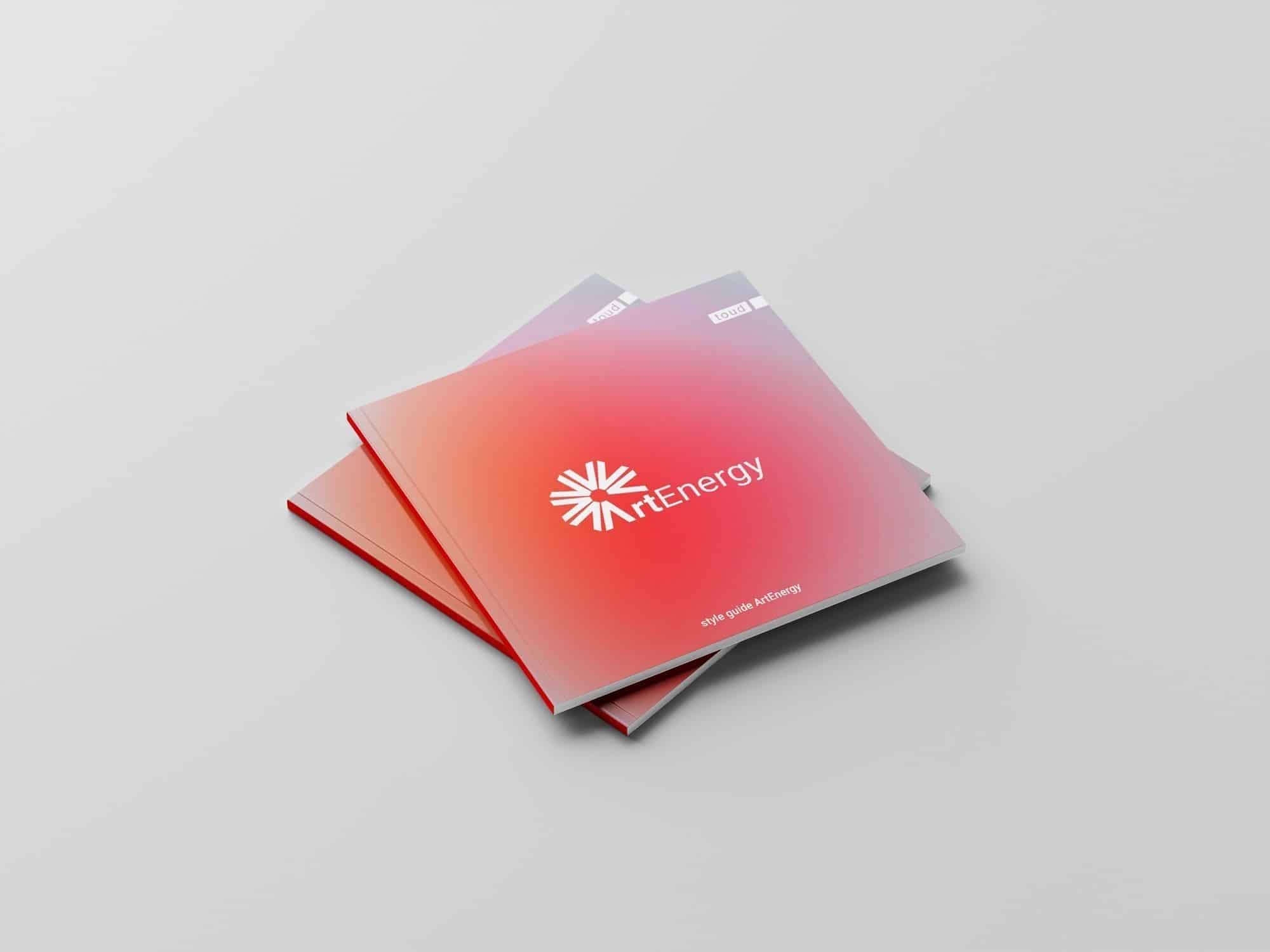
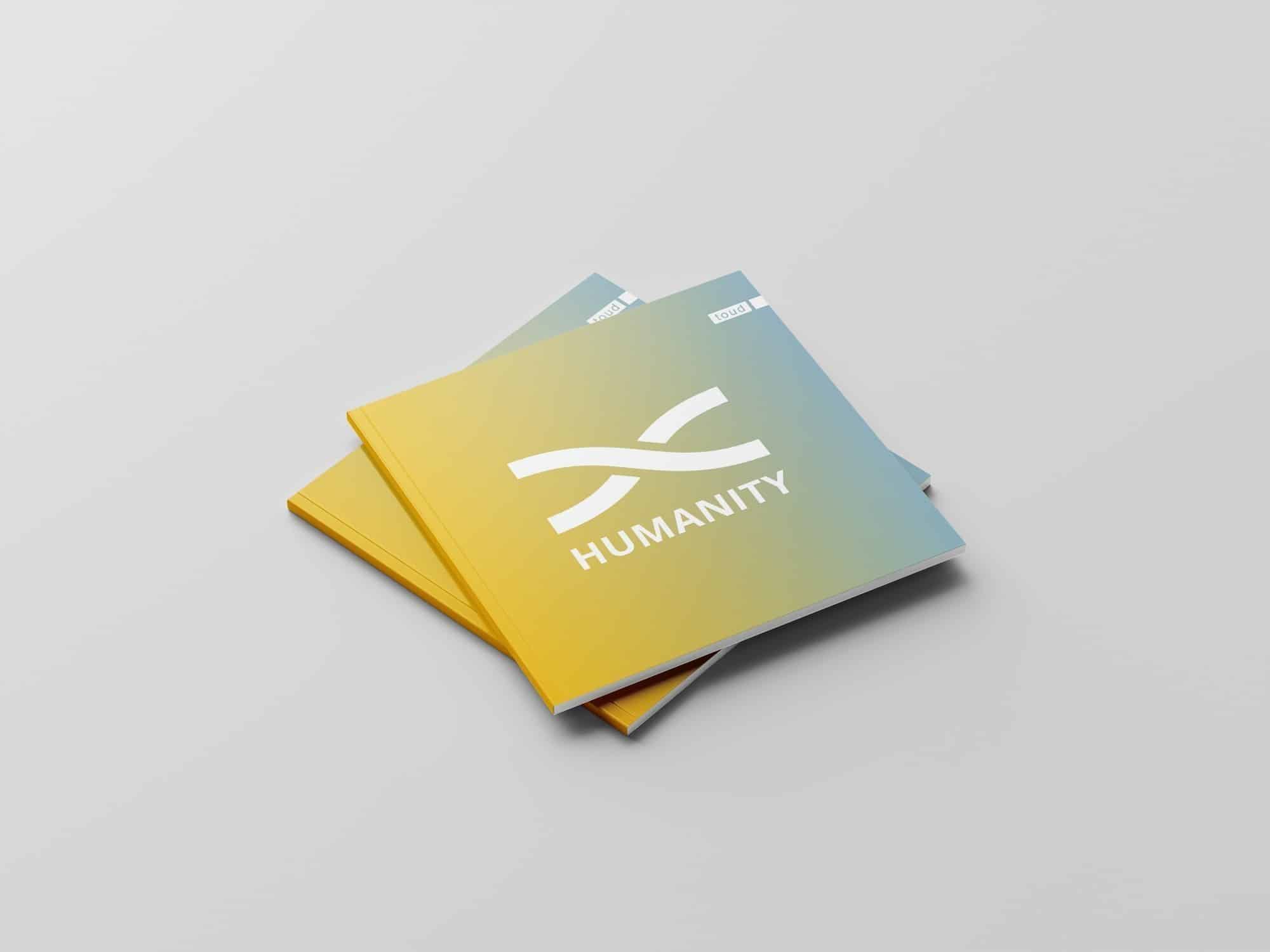
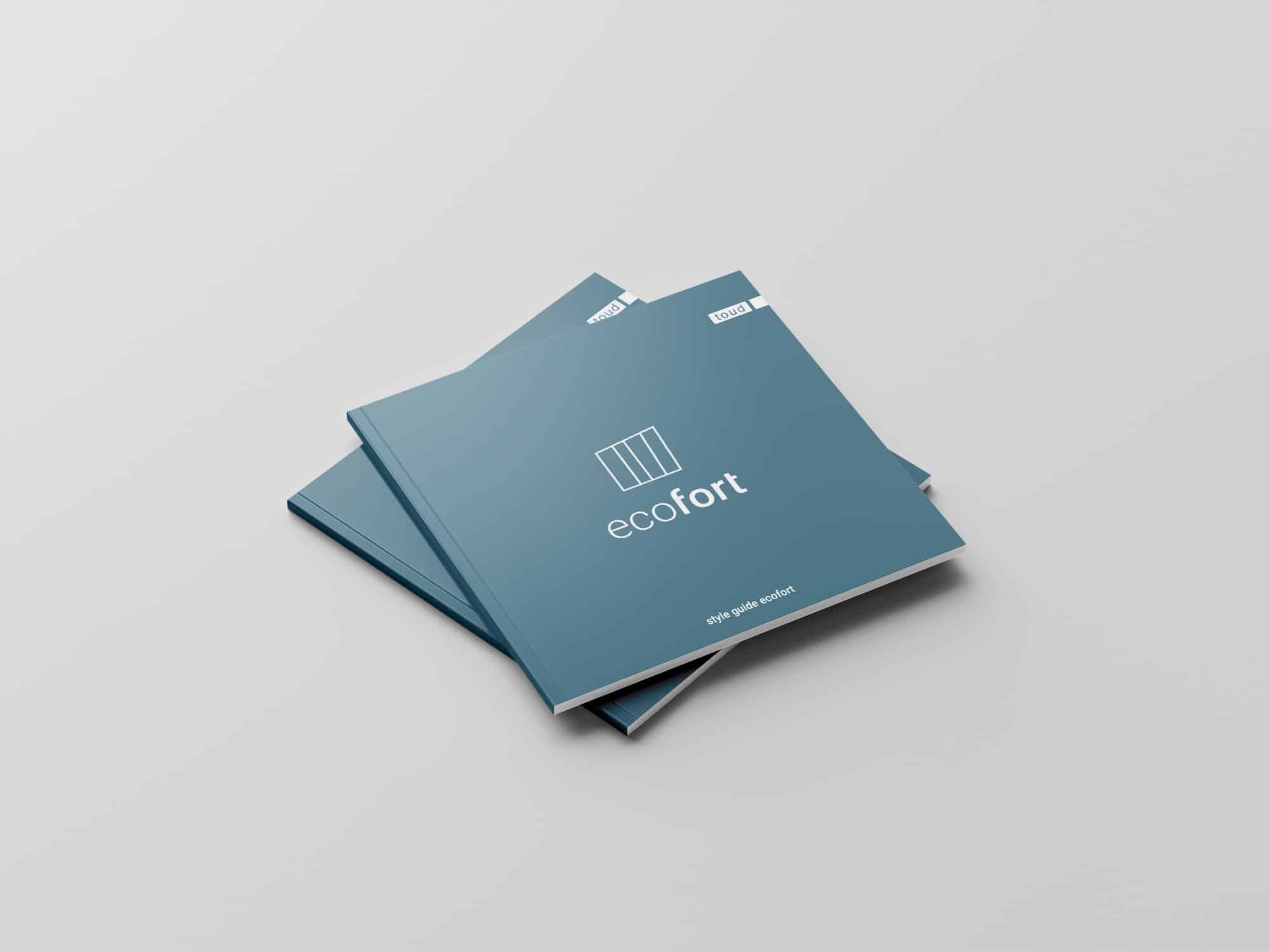

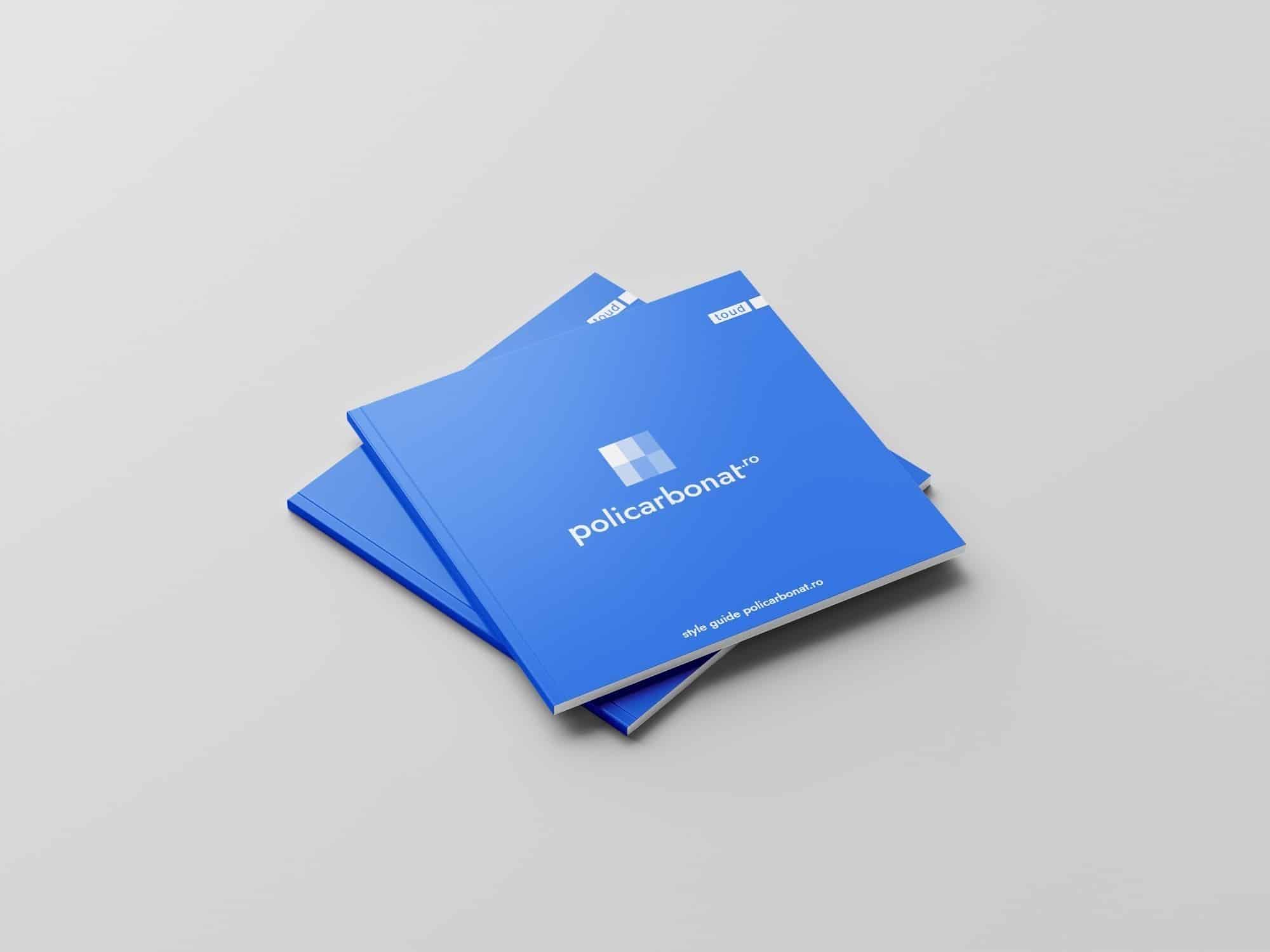


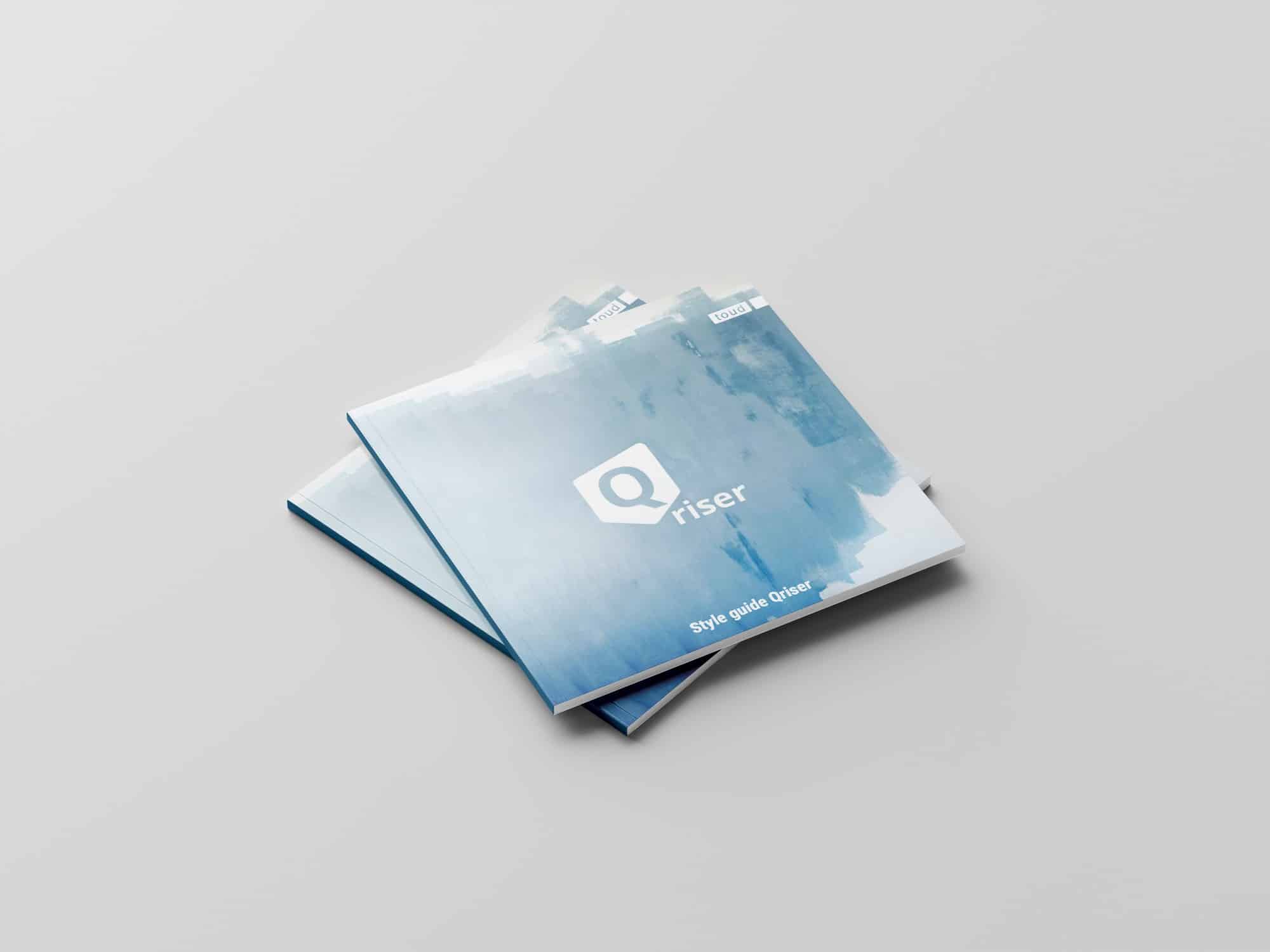

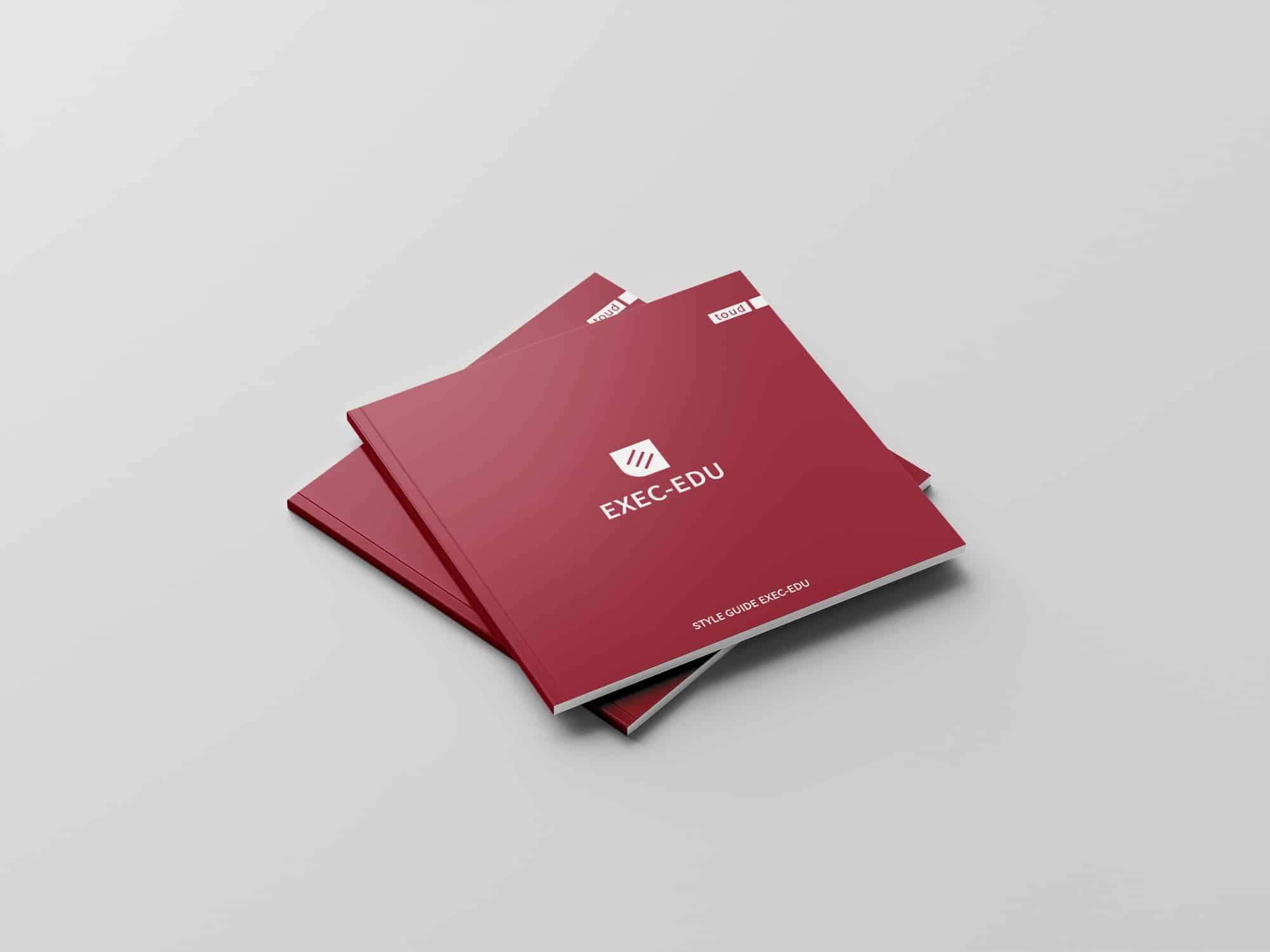
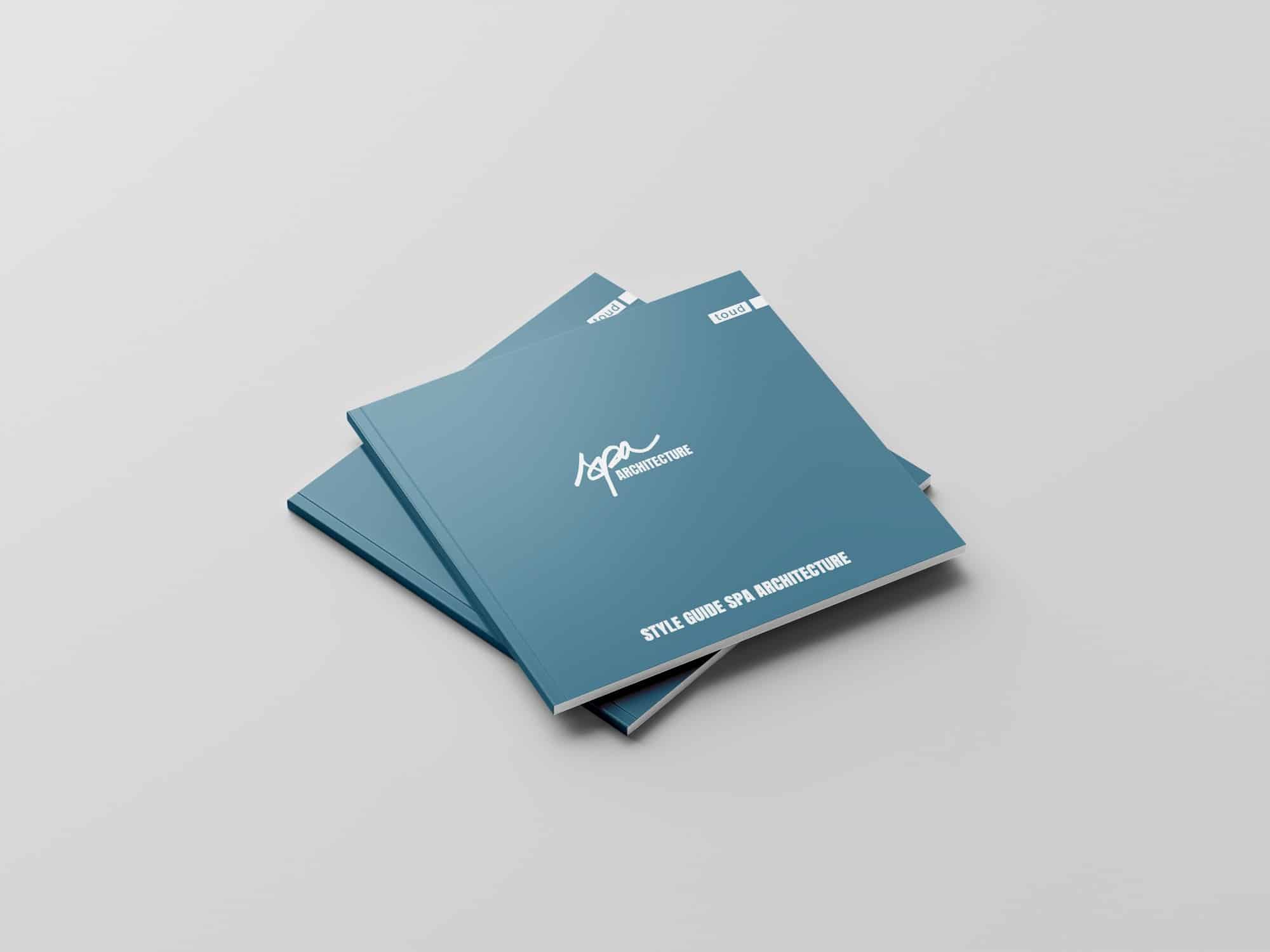

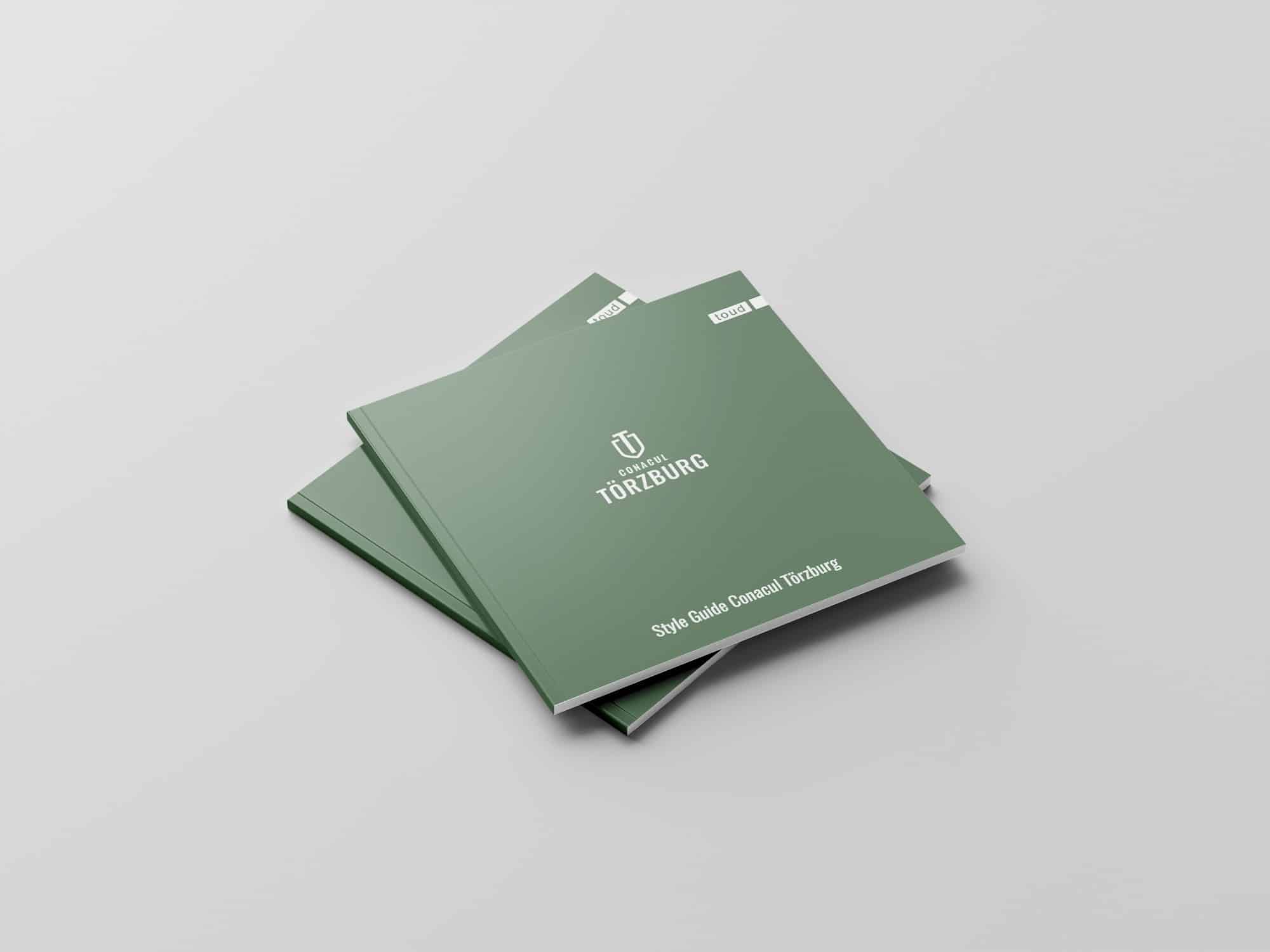


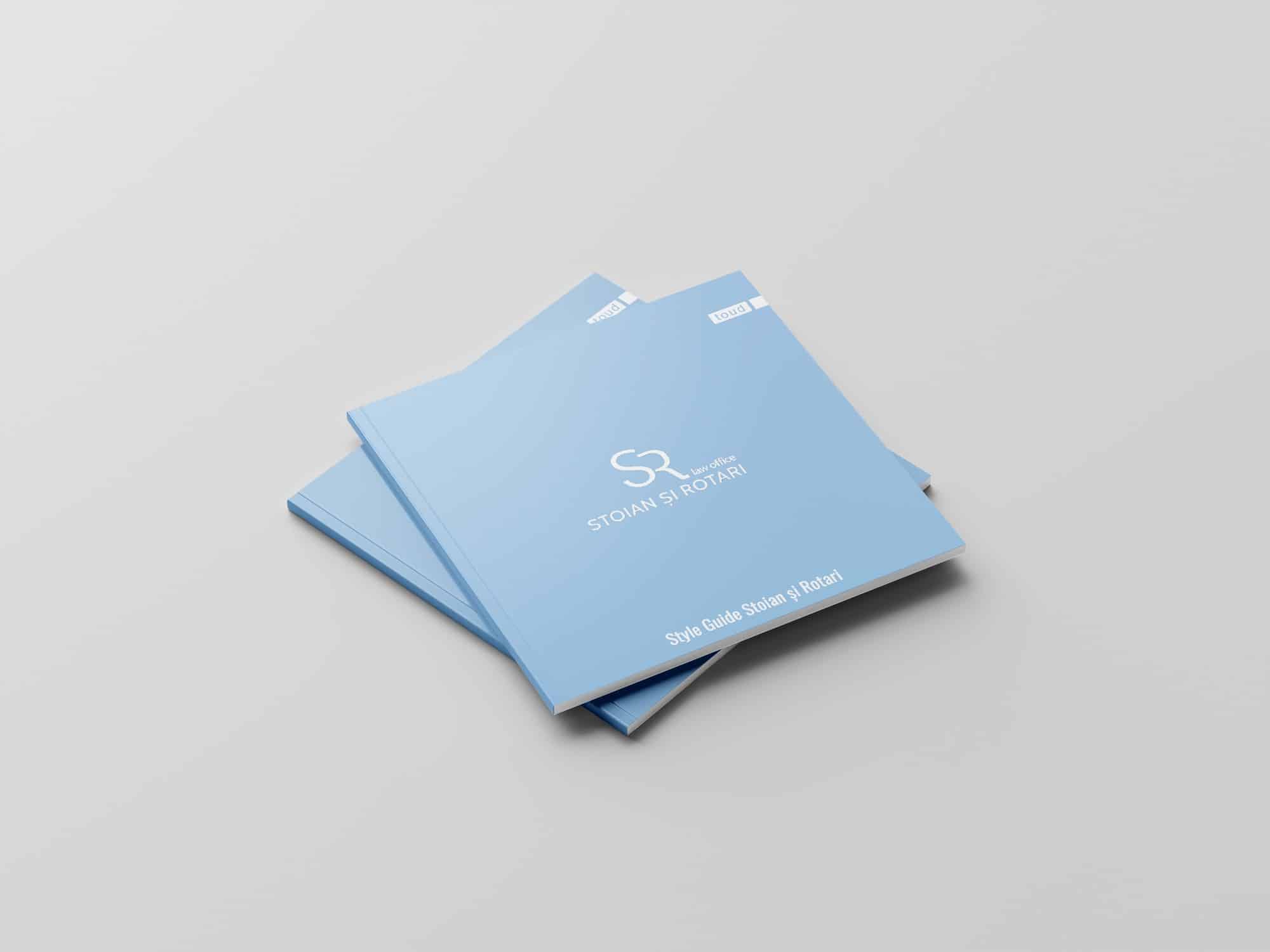
Toud Resources – branding, design, visual identity



Strategy. Design. Impact.
Toud has been around since 2007. We help companies define their direction and grow through brand strategy, design, and inbound marketing. Today, we combine AI with creativity and human expertise to accelerate growth in a sustainable way. We’re not just a branding agency—we’re a strategic growth partner.
Can we develop a visual identity without first going through a brand strategy or brand audit?
No, at Toud we don’t take this step without first going through a strategy or brand audit. It’s not a rigid stance for the sake of the process, but a logical consequence: any visual identity initiative without a strategic foundation risks being merely beautiful, not relevant. And a brand doesn’t just need to look good; it needs to say something true and be recognized for it.
What, specifically, does a visual identity guide (style guide) include?
How many concept options will we have to choose from in the end?
We don’t overwhelm you with dozens of options. We explore many possibilities internally, but during the presentation we choose only the directions that are truly worth discussing—ones that are strategically different from one another, not minor variations on the same idea. The goal is a clear decision, not a choice between dozens of similar options.
How long does the process take, from the initial brief to the final guide?
It depends on the complexity of the project and the scope of the visual system to be developed—ranging from a simple logo to a comprehensive system with multiple applications. Each stage—from analyzing the existing strategy to defining the graphic elements and creating the brand guidelines—is given the time it needs to ensure a solid result, not a rushed one.
Can only part of the visual identity be changed (for example, just the color palette), not the whole thing?
It’s possible, but we recommend caution. A visual identity guide functions as a system; its elements support one another, and an isolated change—made without checking how it harmonizes with the rest—can create precisely the inconsistency that the guide is meant to prevent. That’s why we prefer to analyze the impact first, even if the final change is only a minor one.
Do we also receive the source files—the editable ones—and not just the final formats?
Yes, you’ll receive all the necessary files—both the final, ready-to-use versions and the editable source files—along with a guide that explains exactly how and where to use each element.
Roughly speaking, how much does it cost to develop a complete visual identity?
The price depends on the complexity of the project, how many elements we build from scratch, and how extensive the final visual system needs to be. For a clear proposal, the easiest way is to send us some details about your company via the contact form.
Strategy. Design. Impact.
We help you tell your story!


